

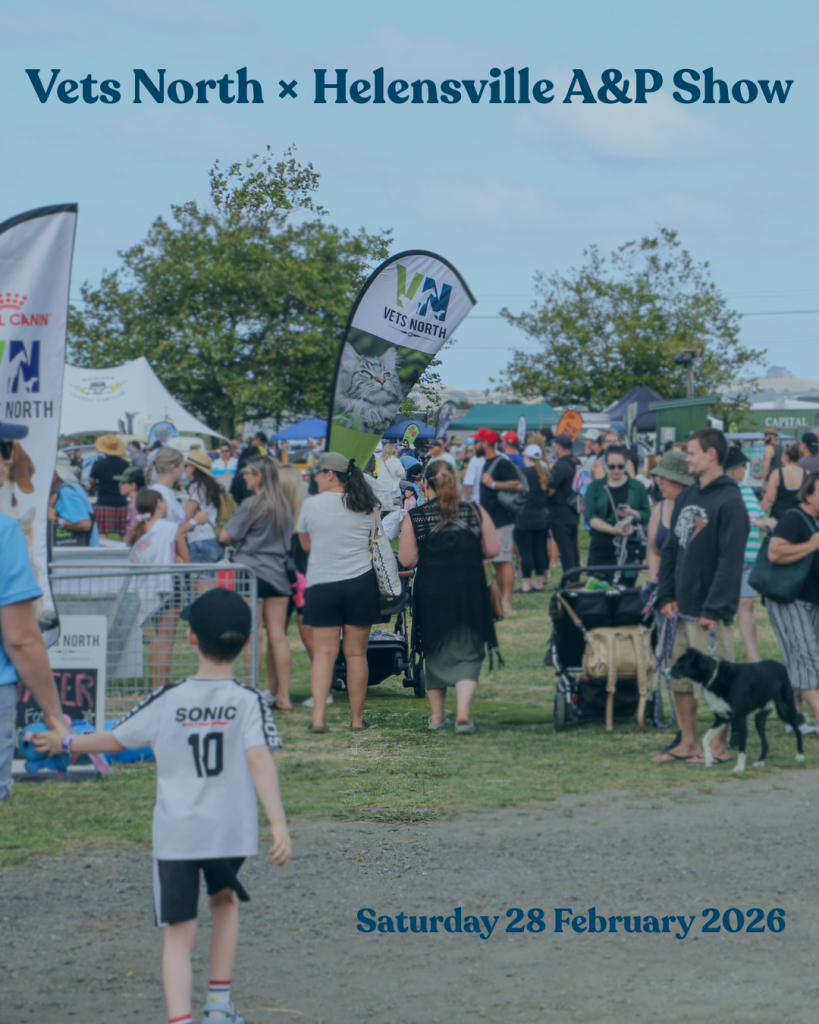
🐎 Join us at the 2026 Helensville A&P Show
We’re proudly sponsoring this year’s Helensville A&P Show — a cherished celebration of rural life, farming, animals and community spirit in West Auckland. This years A&P theme is the Year of the
Keep up to date with the latest news at Vets North!
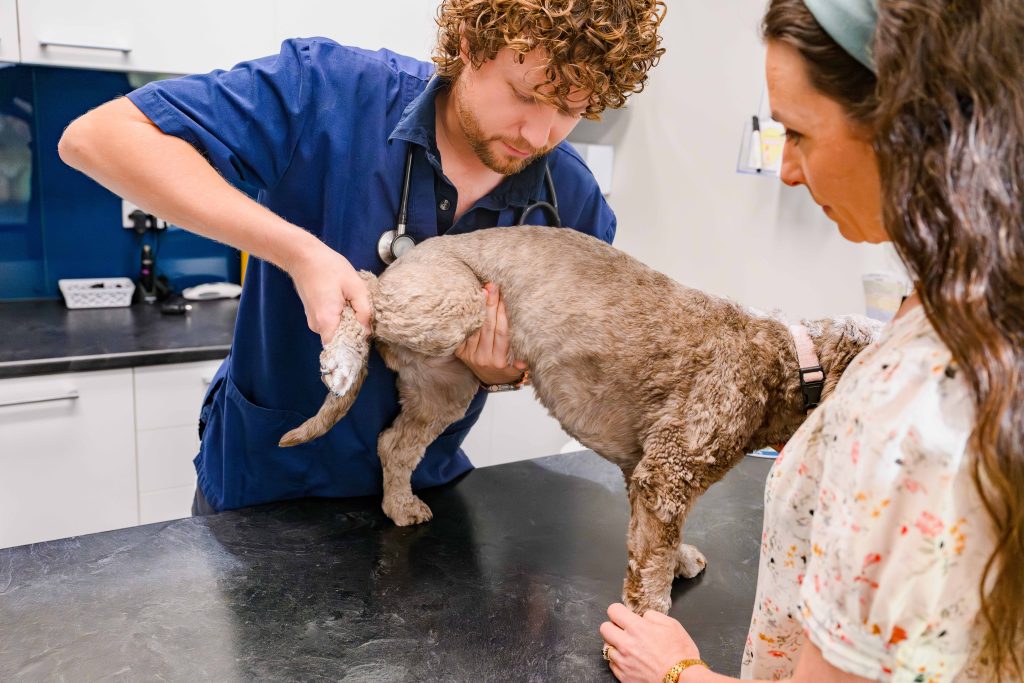
Seeing your dog limp can be unsettling, especially if they seem otherwise bright and happy. But limping (or lameness, as vets call it) is never entirely normal. It means something is causing pain or discomfort, even if your dog isn’t showing obvious signs of distress.
The reassuring news is that many causes of limping are minor and resolve quickly with the right care. Others do need veterinary attention, and a small number need prompt treatment to prevent lasting damage. Knowing the difference is what this guide is about.
We’ll walk you through the most common causes of limping in dogs, what you can safely check at home, when to book an appointment, and what to expect when you come in to see us.
Limping can originate anywhere along the leg, from the paw pads right up to the shoulder or hip, and can involve joints, bones, muscles, tendons, ligaments, or nerves. That’s a wide range of possible causes, which is why a proper examination matters.
Here are the most common things we see at Vets North:
Paw issues are among the most frequent causes of sudden limping, particularly in summer.
These are common in active dogs and often follow a period of strenuous exercise, rough play, or an awkward landing.
While we see the above causes regularly, it’s worth knowing that limping can also be caused by:
If your dog’s limp doesn’t have an obvious explanation or isn’t improving, it’s always worth having it checked. Dogs are remarkably good at masking pain, and what looks like a mild limp can sometimes point to something more significant.
If your dog is calm and comfortable with being handled, a gentle check can give you useful information before calling the vet. Here’s what to look for:
| Safety first
Even the most gentle dog can bite when in pain. Only examine your dog if they are calm and clearly comfortable with being touched. If they resist, flinch, or seem distressed when you try to check them, stop and call us. That’s a job for the vet. |
Whatever you find (or don’t find) at home, keep a note of when the limp started, which leg is affected, whether it’s constant or comes and goes, and anything that might have happened beforehand. This information helps your vet significantly.
It’s worth remembering that dogs don’t limp for attention. If they’re favouring a leg, something is bothering them. The sooner it’s identified, the better the outcome is likely to be.
We’ll aim to make the visit as calm and straightforward as possible for both you and your dog. Here’s what a typical lameness consultation involves:
We’ll start by asking you what you’ve noticed, when it started, and whether there’s been any known injury or change in activity. The more detail you can give us, the more it helps.
The vet will work through a full physical check of the paws, nails, joints, muscles, and spine, feeling for heat, swelling, pain responses, or restricted movement. We’ll also watch your dog walk and, where possible, trot, to assess how they’re moving and which leg or legs are affected.
In many cases the cause is clear from the examination and treatment can begin straight away. Where the cause is less obvious, or where we need a closer look, we may recommend:
Once we know what we’re dealing with, we’ll walk you through the options and what to expect. Treatment varies widely depending on the cause. It might be as simple as removing a grass seed and prescribing a short course of antibiotics, or it might involve pain relief, physiotherapy, or referral for surgery. Whatever the plan, we’ll make sure you understand it and know what to watch for at home.
While you’re waiting for your appointment, the most important thing is to limit the demands on the affected leg:
If the limp deteriorates rapidly before your appointment, call us for advice.
One of the things that surprises many owners is how well dogs mask pain. A dog with moderate arthritis or a partially torn cruciate may still wag their tail, eat enthusiastically, and seem broadly happy. The limp itself may be subtle: a slight favouring of one leg, a change in how they rise from rest, a reluctance to do the stairs.
This stoicism is instinctive, but it can make it easy to underestimate what’s going on. If something has changed in how your dog moves or what they’re willing to do, it’s worth taking seriously, even if they don’t seem distressed.
My dog was limping but seems fine now. Should I still see a vet?
It depends on how long the limp lasted and whether it’s happened before. A very brief limp after heavy exercise that resolves fully with rest is often nothing to worry about. But if it lasted more than a day, keeps recurring, or you’re not sure of the cause, a check-up is a good idea. Some conditions, including cruciate injuries, can cause a limp that appears to resolve but is actually still present.
Can I give my dog ibuprofen or paracetamol for pain?
No. Both ibuprofen and paracetamol are toxic to dogs, even in small doses. If your dog is in pain, call us and we can advise on safe options. There are effective veterinary pain relief medications available, and the important thing is to use the right one at the right dose for your dog’s size and health status.
My dog is limping on and off. Could it be arthritis?
It’s possible, especially if your dog is older, a larger breed, or overweight. Arthritis-related limping often fluctuates: worse after rest, slightly better once they’ve warmed up, worse again after hard exercise. If this pattern sounds familiar, it’s worth having your dog assessed. There’s a lot we can do to manage arthritis and improve quality of life, and early intervention tends to give better results.
How do I know which leg my dog is limping on?
Watch your dog from the side as they walk. A dog favouring a front leg will nod their head downward as the good leg hits the ground. With a hind leg limp, the hip on the affected side tends to rise as that foot touches the ground. If you’re not sure, don’t worry. Our vets assess gait as part of every lameness consultation.
Will my dog need surgery?
Most causes of limping don’t require surgery. Many resolve with rest, medication, and supportive care. Surgery is typically recommended for structural problems, such as a complete cruciate tear, where conservative management alone is unlikely to give a good outcome. We’ll always talk you through the options and our recommendation before anything is decided.
Is limping in older dogs just part of ageing?
It’s common, but it isn’t something that should simply be accepted. Dogs over seven are more likely to develop arthritis and other joint conditions, but these are very manageable with the right treatment plan. Pain relief, joint supplements, weight management, and modified exercise can make a significant difference to an older dog’s comfort and mobility. If your dog is over seven and starting to limp or slow down, please don’t assume there’s nothing to be done.
If your dog is limping and you’re not sure what’s causing it, the safest step is to have them seen. Our teams across Helensville, Kumeu, Waimauku, and Silverdale are experienced in diagnosing and treating the full range of causes, from minor paw problems to complex orthopaedic conditions.
If you’re concerned your dog needs to be seen urgently, please call your nearest clinic directly rather than booking online, so we can make sure they’re seen quickly.
Contact your nearest Vets North clinic to book an appointment. Early assessment gives us more options and usually leads to better outcomes.
Vets North — Helensville | Kumeu | Waimauku | Silverdale | vetsnorth.co.nz
This article is for general informational purposes. Always consult your vet for advice specific to your dog’s health and history.
We’re proudly sponsoring this year’s Helensville A&P Show — a cherished celebration of rural life, farming, animals and community spirit in West Auckland. This years A&P theme is the Year of the
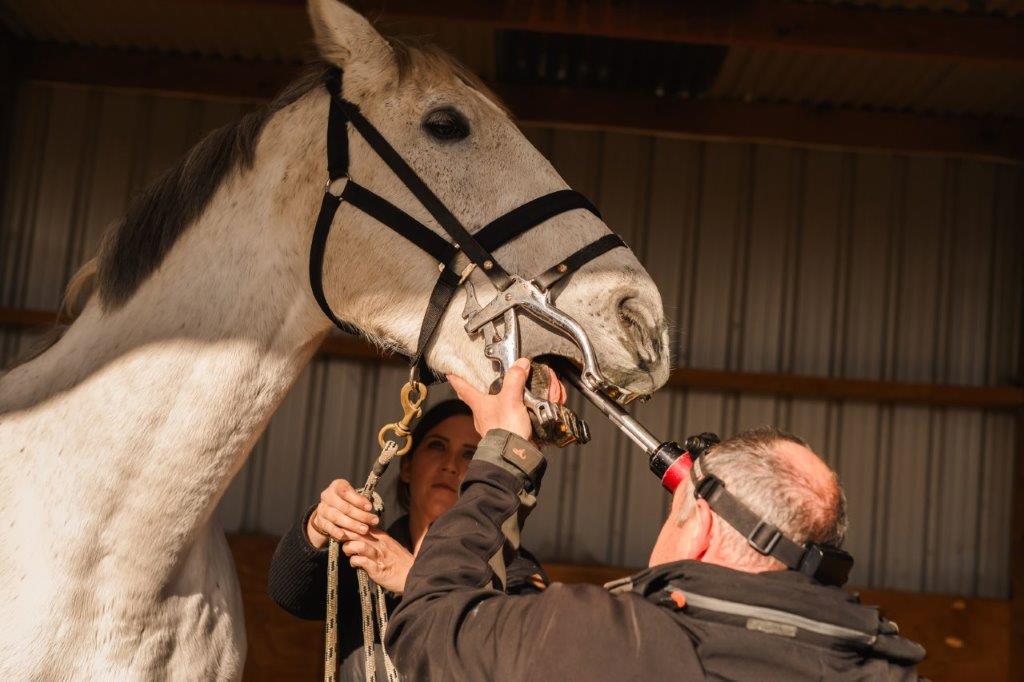
Regular equine dental care is essential for keeping your horse comfortable, healthy, and performing at their best. Because horses’ teeth continually erupt throughout their lives, uneven wear can quickly create sharp enamel