

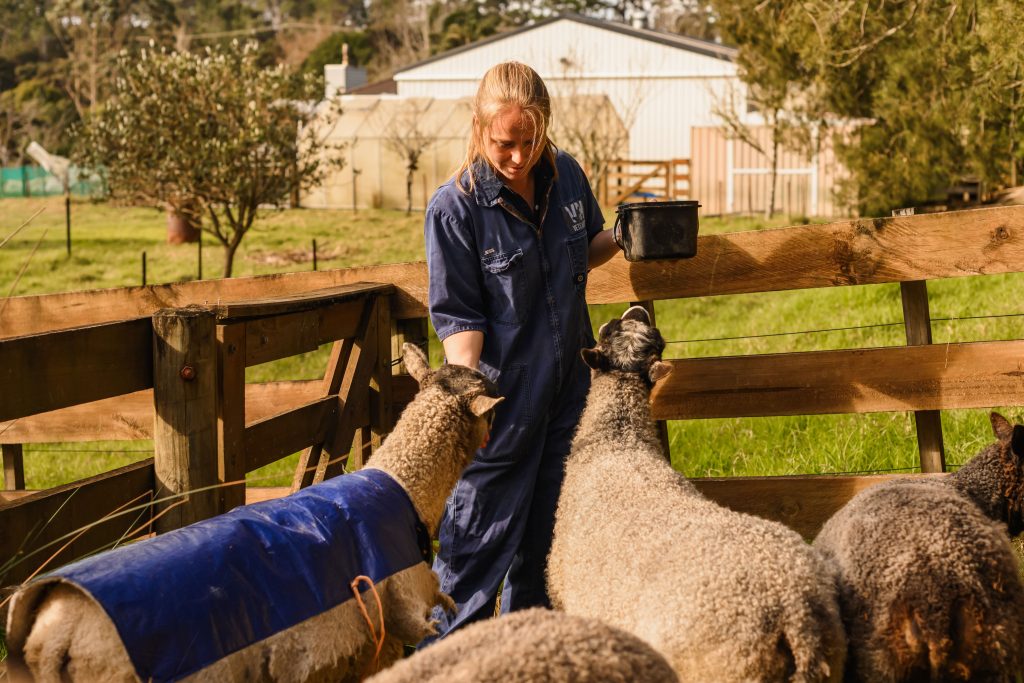
Abomasal Bloat in lambs
Understanding Abomasal Bloat The abomasum is the fourth stomach in ruminants like sheep. In young ruminants, milk is diverted directly to the abomasum rather than the rumen, where feed will
Keep up to date with the latest news at Vets North!
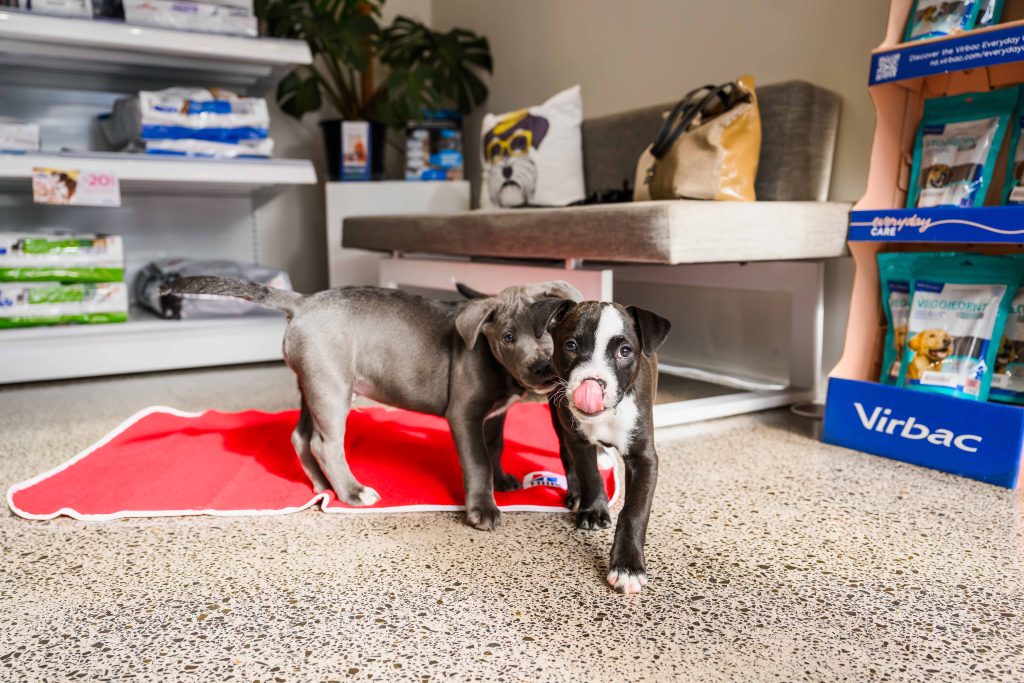
Everything you need to know about protecting your new puppy in those first critical months — from their first jab to their full vaccination course, plus what else to get sorted early on.
Bringing home a new puppy is one of the best things. It’s also one of those times when the to-do list can feel a little overwhelming: microchipping, parasite prevention, puppy classes, and somewhere in the middle of all of it, vaccinations.
If you’re not sure where to start, you’re not alone. This guide walks you through the full puppy vaccination schedule used in New Zealand, explains why each appointment matters, and covers a few other things worth getting sorted in those early weeks.
Puppies are born with some immunity, passed on from their mother through her first milk (colostrum). This protection is real, but it wears off quickly, usually within the first six to twelve weeks of life. That leaves a window where your puppy is vulnerable to some serious diseases before their own immune system is ready to protect them.
Vaccination closes that window. Parvovirus and distemper, two of the diseases we vaccinate against, can be fatal and spread easily wherever dogs gather. Getting your puppy vaccinated on time isn’t just about protecting them individually; it also helps protect other dogs in your community who are too young or too unwell to be vaccinated themselves.
Most puppies in New Zealand follow a schedule that starts at six to eight weeks and runs through to around fifteen months. Here’s how it typically looks:
| Age | Vaccine | Notes |
| 6–8 weeks | First core vaccination (DHPPi) | First puppy visit, vet health check included |
| 10–12 weeks | Second core vaccination (DHPPi) | Leptospirosis and canine cough often begin here |
| 14–16 weeks | Third core vaccination (DHPPi) | Varies depending on prior history |
| 8–9 months | Final DHPPi dose | Completes the core series |
| 15–16 months | Leptospirosis + Canine Cough | Annual boosters begin from here |
The specific vaccines given at each visit will depend on your puppy’s age and any vaccines already received before you brought them home. Our vets will confirm the right schedule at your first appointment.
The maternal antibodies that protect your puppy in early life can also interfere with how their immune system responds to vaccines. In some puppies, this interference can last for the first six months of life. A single vaccination simply isn’t enough. The booster schedule at specific ages ensures your puppy builds solid, lasting immunity as those maternal antibodies gradually fade.
| What about a titre test?
A blood test (titre test) is available to check whether your puppy has developed immunity to parvovirus and distemper. We can offer this from five months of age. It’s a useful option in some circumstances, but be aware that some kennels and daycares won’t accept a titre test result in place of a vaccination record. Ask our team if you’d like to know more. |
The core vaccine given at each puppy appointment is DHPPi, which protects against:
We also routinely recommend two additional vaccines for most dogs in New Zealand:
Many Vets North clients are based across the northwest Auckland area, which includes lifestyle blocks, semi-rural properties, and waterways where leptospirosis risk is real. We’ll discuss your puppy’s specific lifestyle and recommend accordingly.
There’s a critical period in puppy development, roughly three to sixteen weeks of age, when your puppy is most receptive to new experiences. Positive exposure to people, animals, sounds, and environments during this window shapes their confidence and behaviour for life. Miss it, and it’s much harder to compensate for later.
The challenge is that this window overlaps with the vaccination period, when the risk from unvaccinated dogs and high-exposure environments is highest.
The practical approach most vets recommend:
Your vet will advise on timing based on your puppy’s specific vaccination stage. Don’t let fear of disease prevent all socialisation. Behavioural problems from a missed socialisation window are also a real welfare concern.
Vaccinations are the priority, but there are a few other things worth getting sorted around the same time:
Microchipping: required by law in New Zealand. If your puppy hasn’t been microchipped by the breeder, this should be done at or before your first vet visit.
Parasite prevention: puppies should be on a regular worming schedule from two weeks of age, and flea and tick prevention should be started early. Your vet will recommend the right products for your puppy’s age and lifestyle.
Nutrition: your vet can advise on appropriate puppy food for your breed and size. Getting nutrition right early supports healthy growth and development.
Registration: dogs in New Zealand must be registered with your local council. This is usually done after microchipping and is the owner’s responsibility.
| What happens at a first vet visit?
Every vaccination appointment at Vets North includes a full health check, not just the jab. We’ll examine your puppy from nose to tail, check their weight and development, answer your questions, and make sure they’re healthy before any vaccine is given. We’ll also confirm the right schedule going forward. |
Whether your puppy is eight weeks old or a little older, our teams across Helensville, Kumeu, Waimauku, and Silverdale are here to help you get their protection sorted from the start.
[Book an appointment at your nearest Vets North clinic]
Vets North: Helensville | Kumeu | Waimauku | Silverdale | vets-north.co.nz
This article is for general informational purposes. Always consult your vet for advice specific to your puppy’s health and history.
When should I book my puppy’s first vaccination appointment?
As soon as possible after bringing them home, ideally within the first few days. Most puppies receive their first vaccination at six to eight weeks. If your puppy is older than this when you get them, book in straight away and we’ll assess where they are in the schedule.
What if my puppy already had their first vaccination from the breeder?
Bring any vaccination records to your first appointment. Our vets will review what’s been given and confirm what’s due next. We’ll pick up where the breeder left off.
Is my puppy safe to go outside before vaccinations are complete?
Yes, but with some care. Avoid high-risk areas like dog parks and popular off-leash beaches until your vet gives the all-clear. Puppy classes run by reputable trainers are generally a safe option even before the course is complete. Your vet will advise on timing based on your puppy’s specific stage.
What is canine cough and does my puppy need the vaccine?
Canine cough is a highly contagious respiratory infection that spreads quickly wherever dogs gather. If your dog will visit kennels, parks, groomers, or doggy daycare (and most dogs in New Zealand do), the canine cough vaccine is strongly recommended. Many facilities require it.
Do I need to worry about leptospirosis in the northwest Auckland area?
Yes, it’s worth discussing with your vet. The northwest Auckland region includes lifestyle blocks, semi-rural properties, and waterways where the risk is real. Leptospirosis can also infect humans, so vaccination helps protect your family as well as your dog.
How often will my dog need vaccinations after the puppy course is complete?
Once the initial puppy course is done, your dog will need regular boosters: DHPPi every three years from eight months, and leptospirosis and canine cough annually from fifteen to sixteen months. Keeping on schedule means you’ll never need to restart a course from scratch.
Understanding Abomasal Bloat The abomasum is the fourth stomach in ruminants like sheep. In young ruminants, milk is diverted directly to the abomasum rather than the rumen, where feed will
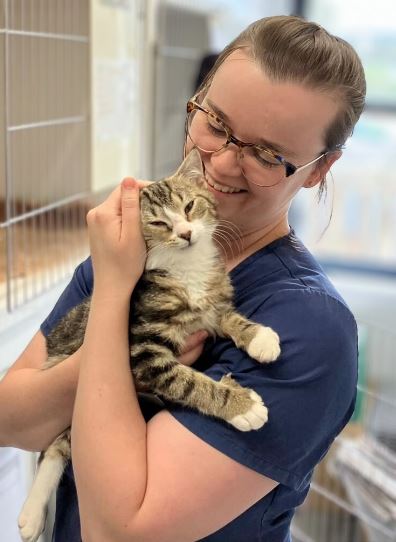
New Kitten Care Checklist 🐾 Bringing home a new kitten is such an exciting time—and it’s completely normal to have questions. Those first few weeks are all about helping your