

Grass Seeds in Dogs and Cats: Signs, Risks, and When to See a Vet
Grass seeds might look like nothing much, but they’re one of the more common reasons we see pets urgently over summer and autumn. Their design is what makes them dangerous:
Keep up to date with the latest news at Vets North!
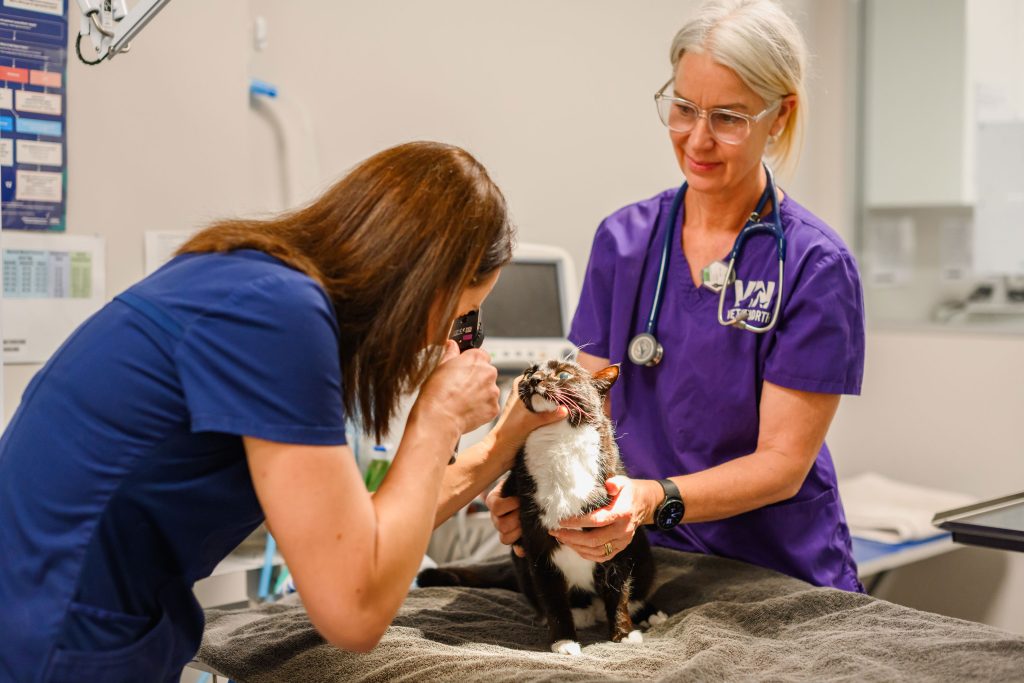
Your guide to recognising the signs that mean your pet needs urgent care, for dogs and cats.
Most of the time, looking after a pet is pretty straightforward. They eat, sleep, pester you for attention, and seem broadly fine. But there are moments, sometimes sudden, sometimes gradual, when something feels off. And the hardest question any pet owner faces is: is this serious enough to call the vet right now?
The honest answer is that when in doubt, you should call. Vets would always rather speak to a worried owner who didn’t need to come in than hear from someone who waited too long. But there are certain symptoms that should always prompt immediate action: signs that your pet’s body is under serious stress and that time genuinely matters.
This guide covers those signs. We’ve split it by species, dogs and cats, because the warning signs can be quite different. We’ve also included a quick-reference summary at the end.
A note on after-hours emergencies
If your pet is in distress and it’s outside clinic hours, call us. Our team can advise you on next steps. Don’t wait until morning if you’re genuinely concerned. Some of the symptoms listed below are life-threatening and require treatment within minutes, not hours.
Symptoms in Dogs That Need Urgent Vet Attention
Dogs are stoic animals. They’ll often carry on as normally as they can even when they’re in significant pain or distress. That means the signs that something is seriously wrong can be subtle, or they can arrive suddenly and look alarming. Here’s what to watch for.
Bloating or a Visibly Distended Abdomen
A swollen or hard belly in a dog, especially a large or deep-chested breed like a German Shepherd, Great Dane, or Labrador, can be a sign of life-threatening conditions, such as gastric dilatation-volvulus (GDV) or acute internal abdominal bleeding. A GDV develops when the stomach fills with gas and twists on itself, cutting off blood supply, while internal bleeding is often due to a ruptured mass on the spleen.
GDVs and abdominal bleeds are two of the most time-critical emergencies in veterinary medicine. Without treatment, it can be fatal within hours. If your dog has a visibly bloated abdomen, is retching without producing anything, seems restless or unable to get comfortable, or is salivating heavily, call us immediately.
Act immediately if you see: a hard, swollen belly; unproductive retching; restlessness and pacing, rapid or difficult breathing, pale gums or tongue, collapse.
Difficulty Breathing
Dogs breathe through their noses at rest. If your dog is breathing with their mouth open outside of exercise or hot weather, struggling visibly to breathe, or showing their sides heaving with every breath, something is wrong.
Breathing difficulties in dogs can result from heart failure, fluid around the lungs, a collapsed trachea, internal bleeding, an airway obstruction, or allergic reactions, among other causes. All of these are serious. Don’t wait to see if it improves.
Act immediately if you see: open-mouth breathing at rest; laboured or rapid breathing; blue-tinged or pale gums or tongue; extended neck posture while breathing.
Seizures
A seizure in a dog (involuntary muscle contractions, paddling limbs, loss of consciousness, or loss of bladder and bowel control) is frightening to witness. A single short seizure (under two minutes) may not be an immediate emergency, but you should still contact your vet the same day.
A seizure lasting more than five minutes, or multiple seizures in a 24-hour period, is a genuine emergency. Prolonged seizures can cause brain damage and require immediate treatment to bring under control.
Act immediately if you see: a seizure lasting more than five minutes; multiple seizures in quick succession; failure to recover consciousness between seizures.
Inability to Urinate or Straining Without Result
If your dog is squatting or cocking its leg repeatedly but producing little or no urine, or showing signs of discomfort when trying to go, this needs same-day attention. A blocked bladder, more common in male dogs, can become life-threatening within hours if left untreated.
Watch for: frequent squatting/leg cocking with no result, crying or whimpering while trying to urinate, licking at the genitals, or a hard, distended lower belly.
Act the same day if you see: straining to urinate with little or no result; obvious discomfort or crying; blood in the urine combined with straining.
Suspected Poisoning or Ingestion of a Toxic Substance
Dogs eat things they shouldn’t. If you know or suspect your dog has ingested something toxic, including xylitol (found in sugar-free gum and some peanut butters), grapes or raisins, rat poison, certain plants (karaka berries are especially toxic), human medications, or dark chocolate, call us straight away, even if your dog seems fine. Slug bait ingestion needs IMMEDIATE intervention ASAP to avoid severe neurological effects that can rapidly lead to seizures and death.
Many poisons have a delayed effect that may take days to develop, such as rat bait. Waiting for symptoms to appear can mean waiting too long. When you call, tell us what was ingested, how much, and when. This helps us advise you accurately.
Act immediately if you see: known or suspected ingestion of a toxic substance; sudden vomiting, collapse, tremors, or disorientation following ingestion.
Collapse, Extreme Weakness, or Inability to Stand
If your dog suddenly collapses, can’t stand, or seems profoundly weak and disoriented, this is an emergency. It can indicate heart failure, internal bleeding, a neurological event, or severe blood sugar disturbances, among other causes.
Don’t wait to see if they ‘come right’. Call immediately and keep your dog as calm and still as possible while you get them to care.
Eye Injuries or Sudden Change in Vision
Eyes deteriorate fast. If your dog has a visible scratch, puncture, or ulcer to the eye, is pawing at their eye, squinting, showing unusual discharge, or the eye appears cloudy or protruding, they need to be seen the same day. Some eye conditions can result in permanent vision loss within 24 to 48 hours without treatment.
Symptoms in Cats That Need Urgent Vet Attention
Cats are famously good at hiding illness. By the time a cat is showing obvious signs of distress, they’ve often been unwell for some time. This makes recognising the warning signs even more important.
Straining to Urinate or No Urine Output
This is the most common life-threatening emergency in cats, and it predominantly affects male cats. The urethra in male cats is narrow, and can become blocked by crystals, mucus, or a plug of inflammatory debris. A cat that can’t urinate will deteriorate rapidly. Within 24, the build-up of toxins can cause heart and kidney failure.
Signs include: visiting the litter tray or squatting repeatedly without producing urine, vocalising or crying when trying to go, excessive grooming of the genitals, painful abdomen (often sore when being picked up) and lethargy or hiding. If your cat has produced no urine at all in 12 hours or is showing any of the above signs regardless of when they last urinated, this is an emergency.
Act immediately if you see: repeated trips to the litter tray with no result; crying when trying to urinate; a hard/painful lower abdomen; sudden lethargy in a cat that was previously straining.
Difficulty Breathing or Open-Mouth Breathing
Cats almost never breathe through their mouths unless something is seriously wrong. Open-mouth breathing in a cat, particularly if they’re sitting hunched, reluctant to move, or seem to be working hard with their sides, is always an emergency.
Causes include pleural effusion (fluid around the lungs), heart failure, severe asthma, or trauma. These conditions can deteriorate very quickly.
Act immediately if you see: open-mouth breathing; laboured or rapid breathing; hunched posture with reluctance to move; blue-tinged or pale gums. Take care to keep handling to an absolute minimum and cover the cage with a towel for travel to reduce stress as much as possible.
Sudden Hind Leg Weakness or Paralysis
If your cat suddenly loses the use of their back legs or collapses, dragging their hindquarters, or crying out in pain, this may be aortic thromboembolism (life threatening blood clot), commonly called a ‘saddle thrombus’. A blood clot blocks blood flow to the hind limbs, causing sudden and severe pain.
The affected legs are typically cold to the touch, and the paw pads may appear pale or bluish. This is extremely painful and requires immediate veterinary attention.
Act immediately if you see: sudden collapse or weakness in back legs; cold limbs; pale or blue-tinged paw pads; vocalising in pain.
Not Eating for More Than 24 Hours
Cats who stop eating are at risk of a serious condition called hepatic lipidosis, where fat accumulates in the liver. This can develop within just a few days in a cat that isn’t eating, particularly in overweight cats.
If your cat hasn’t eaten in more than 24 hours, and especially if they also seem lethargic or are vomiting, don’t take a ‘wait and see’ approach. A vet visit is warranted.
Head Tilt, Loss of Balance, or Walking in Circles
These signs can indicate an inner ear problem or a more serious neurological condition. Either way, a sudden head tilt, loss of balance, or repetitive circling in one direction needs veterinary assessment. Some causes are manageable; others require urgent treatment.
Trauma, Including Being Hit by a Car
Cats that have been hit by a car, fallen from a height, or had another significant traumatic event should be seen immediately, even if they appear to be moving normally. Internal injuries are common and can be life-threatening without being externally obvious. Keep the cat as still and calm as possible and come in straight away.
Quick Reference: When to Seek Urgent Care
Use this as a prompt, not a substitute for calling us if you’re ever unsure.
| Pet | Act immediately | Same day |
| Dog | Bloated, hard belly + retching
Difficulty or open-mouth breathing Seizure > 5 minutes or repeated seizures Collapse or sudden severe weakness Known or suspected poisoning |
Straining to urinate
Eye injury or sudden vision change Single short seizure Significant trauma |
| Cat | Straining to urinate with no output (especially males)
Open-mouth breathing Sudden hind leg weakness or paralysis Trauma (including falls, being hit by car) |
Not eating for 24+ hours
Head tilt or loss of balance Difficulty breathing (without open-mouth) |
When In Doubt, Call
No guide like this can cover every situation, and pets don’t read the rulebook. If your pet seems ‘off’ in a way you can’t explain, is behaving differently, or your instinct is telling you something isn’t right, trust that instinct. A phone call to us costs nothing and could make all the difference.
Our teams across Helensville, Kumeu, Waimauku, and Silverdale are here to help you figure out what to do. We’d much rather help you decide your pet is fine than hear you waited too long.
Contact Vets North
Call us on 0800 VTS NTH (0800 887 684) or contact your nearest clinic:
Frequently Asked Questions
How do I know if my pet is in pain?
Animals hide pain well, but common signs include: changes in behaviour (quieter, more withdrawn, or unusually aggressive); loss of appetite; reluctance to move or jump; vocalising when touched; excessive grooming of one area; and changes in posture or gait. Vocalising is very rare in painful pets, so don’t wait until they are crying in pain. If your pet seems different in ways you can’t explain, it’s worth a vet check.
My pet is vomiting. Should I be worried?
A single episode of vomiting in an otherwise well animal usually isn’t a crisis. But you should call us if your pet vomits repeatedly, brings up blood, can’t keep water down, or seems lethargic or in pain alongside vomiting.
My dog ate something it shouldn’t. What do I do?
Call us straight away. Don’t wait for symptoms. Tell us what was ingested, the approximate quantity, and how long ago. We’ll advise you on whether you need to come in immediately, induce vomiting, or monitor at home. Never try to induce vomiting without veterinary guidance, as for some toxins it can make things worse. NEVER USE SALT to induce vomiting. We have seen several animals die from salt toxicity after owners have tried this at home.
Can I give my pet human pain relief while I wait for an appointment?
No. Most human pain medications, including ibuprofen, and aspirin, are toxic to dogs and cats. Paracetamol in particular is extremely dangerous to cats and even very low doses can cause fatal liver failure. Never give your pet human medication without explicit veterinary advice.
What should I do if my pet has been hit by a car?
Keep them as still and calm as possible. If they can walk, don’t encourage movement. Call us on the way so we can prepare for your arrival. Even animals that appear unhurt after a collision can have internal injuries that need assessment. Come in straight away.
Are there common household items that are poisonous to pets?
Yes. Some of the most common include: grapes and raisins (dogs); xylitol, found in sugar-free gum and some peanut butters (dogs); lilies, many of which are highly toxic to cats; onion and garlic (dogs and cats); macadamia nuts (dogs); certain houseplants including philodendron and pothos; and human medications. If in doubt, call us before your pet gets near it.
What’s the difference between an emergency and a same-day appointment?
An emergency is when your pet’s life may be at immediate risk and minutes matter: difficulty breathing, a blocked bladder, nternal bleeding, collapse, suspected poisoning, or GDV in dogs, for example. A same-day appointment is when the problem is serious enough that it shouldn’t wait overnight, but your pet is stable. If you’re not sure which category you’re in, call us and we’ll help you decide.
Book an Appointment at Vets North
Whether you’re dealing with an urgent concern or want to bring your pet in for a check-up, our teams at Helensville, Kumeu, Waimauku, and Silverdale are here to help. We serve pet owners across the northwest Auckland corridor, including lifestyle blocks, semi-rural properties, and the growing communities of Kumeu, Huapai, and Riverhead.
Call us on 0800 VTS NTH (0800 887 684) or visit vetsnorth.co.nz to find your nearest clinic and book online.
Vets North — Helensville | Kumeu | Waimauku | Silverdale | vetsnorth.co.nz
This article is for general informational purposes. Always consult your vet for advice specific to your pet’s health and history.
Grass seeds might look like nothing much, but they’re one of the more common reasons we see pets urgently over summer and autumn. Their design is what makes them dangerous:
At Vets North, we know how quickly horses can go from happy in the paddock to needing urgent veterinary attention. Being able to recognise the early signs of common emergencies – and