

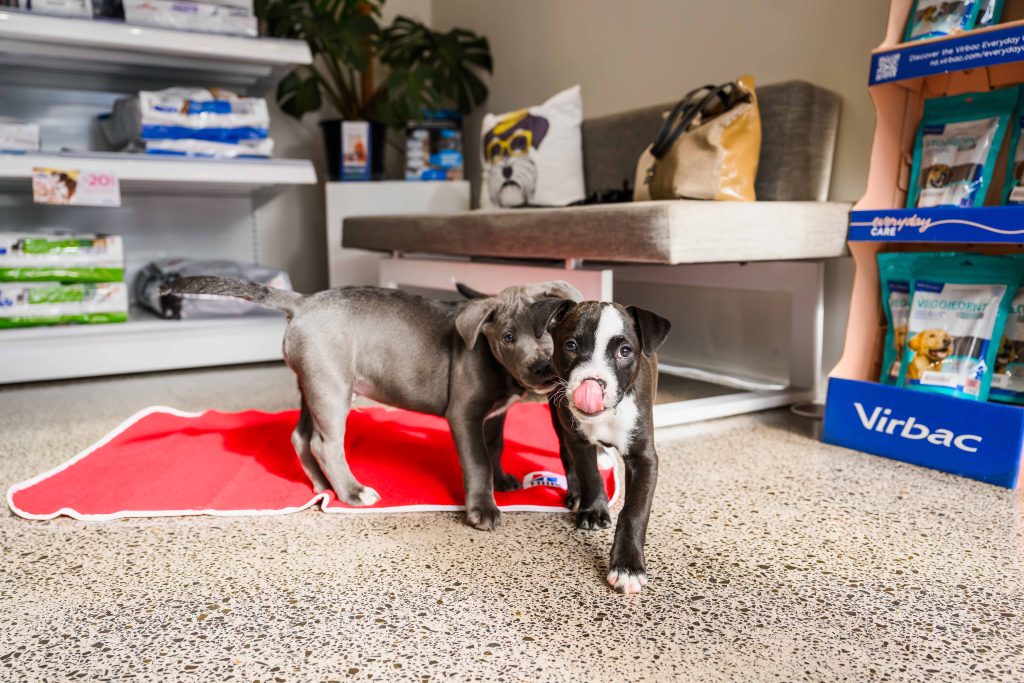
Puppy Vaccination Schedule NZ: A First-Time Owner’s Guide
Everything you need to know about protecting your new puppy in those first critical months — from their first jab to their full vaccination course, plus what else to get
Keep up to date with the latest news at Vets North!
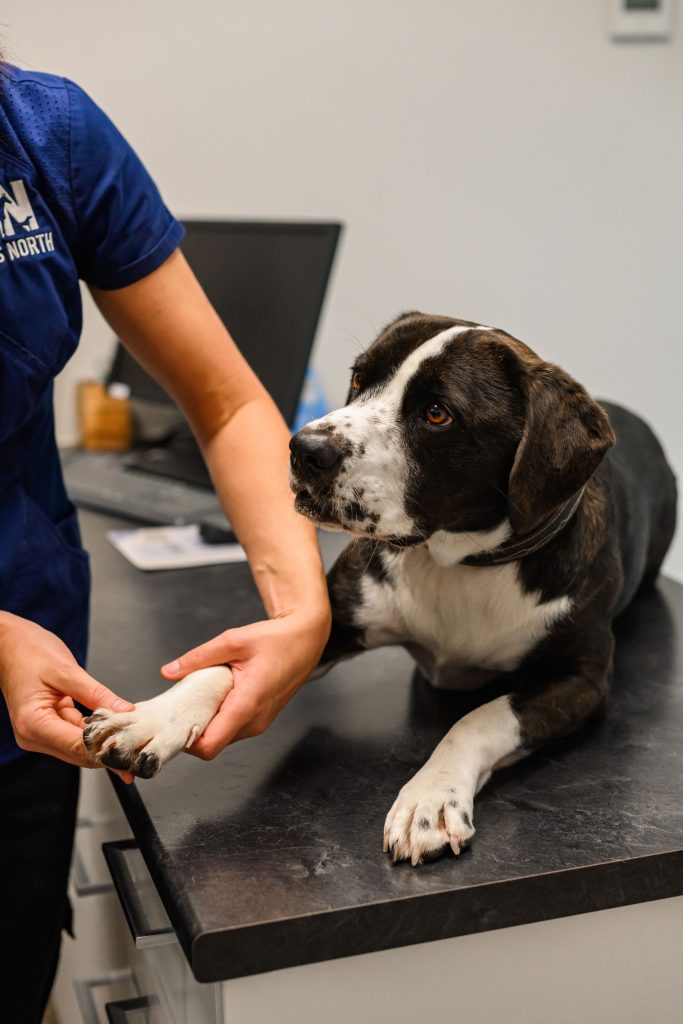
Grass seeds might look like nothing much, but they’re one of the more common reasons we see pets urgently over summer and autumn. Their design is what makes them dangerous: barbed and arrow-shaped, they’re built to travel in one direction only. Once they catch in a coat or make contact with skin, they don’t tend to work their way back out on their own.
Dogs are most commonly affected, but cats that spend time outdoors are at risk too. The good news is that seeds caught early are usually straightforward to deal with. Left longer, they can migrate deeper into tissue and become significantly more complicated to treat.
This guide covers how grass seeds cause problems, where they tend to end up, what signs to watch for, and when to call us.
In New Zealand, grass seed issues peak in summer and autumn, when species like barley grass and ryegrass dry out and release their seeds. As a dog or cat moves through long or dry grass, seeds catch easily in the coat, particularly in areas with longer or finer fur.
Once a seed makes contact with the skin, its shape does the rest. The barbed structure means it can only move forwards, working its way through skin and into the tissue beneath. Left in place, a seed can:
One of the things that catches owners off guard is the timeline. Sometimes the initial irritation settles and the pet seems to improve, only for signs of deeper infection to emerge weeks later. By that point the seed may be well away from where it started, which makes finding it considerably harder.
Seeds can lodge almost anywhere, but certain spots are particularly vulnerable. The table below covers the most common locations, what you might notice, and why each one matters.
| Location | Signs you might see | Why it matters |
| Paws (between toes or pads) | Licking, swelling, limping | Can form abscesses and draining tracts. Seeds can migrate further up the leg or into the chest if left untreated. |
| Ears | Head scratching, shaking, pain on touching the ear | May damage the ear canal or eardrum, particularly if the seed travels deeply before being found. |
| Eyes | Squinting, redness, discharge, rubbing at the eye | Can scratch the cornea and cause a painful ulcer.
In more serious cases, seeds can enter the eye itself or lodge behind the eyeball, leading to severe infection and risk of vision loss. |
| Nose | Sudden sneezing (often in bursts), nasal discharge or nosebleed | Seeds can travel up nasal passages or be inhaled further into the airways.
In rare cases, migration into deeper tissues is possible, so prompt assessment is important. |
| Skin (anywhere on the body) | A lump, swelling, or small oozing tract | Seeds can migrate under the skin, causing abscesses, or in some cases penetrate into the abdomen or chest. |
The paws are by far the most common location, but ears and eyes are close behind. If you notice any of the signs above and can’t find an obvious explanation, a grass seed is worth considering, especially if your pet has been in long grass recently.
Any dog or cat that spends time outdoors during summer and autumn can pick up a grass seed, but some are more vulnerable than others:
Grass seeds are common in this part of New Zealand, particularly through the Helensville, Kumeu, Waimauku, and Silverdale corridor where many of our clients have lifestyle blocks or rural properties. You can’t eliminate the risk entirely, but these steps help:
The signs vary depending on where the seed has ended up, but there are some common patterns to watch for:
One pattern worth knowing: sometimes a small entry wound closes over and the seed continues to migrate beneath the skin. The pet may seem to improve for a period, then develop swelling, a draining tract, or signs of infection elsewhere. If this happens, a grass seed should be on the list of possible causes, even if some time has passed since they were last in long grass.
If you suspect a grass seed, it’s best not to wait. Seeds don’t tend to work their way out on their own, and the longer one is in place, the further it can travel.
| See us promptly if:
• Your pet is licking, chewing, or limping on a paw that looks swollen or has a small wound • Your dog is shaking their head repeatedly or showing signs of ear pain • Your pet is squinting, has discharge from one eye, or is pawing at their face • There is sudden sneezing in bursts, particularly after time in long grass • You can see or feel a lump, swelling, or oozing wound with no clear cause • Your pet seemed to improve but is now showing signs of deeper infection |
When grass seeds are caught early, they’re usually quick to deal with, often in a single appointment. If a seed has had time to migrate, finding and removing it may require sedation, imaging such as ultrasound, or surgery. The earlier we see your pet, the simpler the treatment is likely to be.
Can I remove a grass seed myself?
If a seed is clearly visible and sitting loosely in the coat, you can remove it by hand before it has a chance to work its way in. But once a seed has embedded in the skin or entered a body cavity such as the ear or eye, attempting to remove it at home risks pushing it deeper or breaking it, which makes things harder. If you’re not certain the seed is completely out, or if the area is already swollen or sore, it’s better to have it checked.
My dog keeps licking one paw. Could it be a grass seed?
It’s one of the most common signs, especially during summer and autumn. Check between the toes and around the pads for a small entry wound, swelling, or redness. If you find something, or if the licking continues despite nothing obvious being visible, it’s worth coming in. Seeds can embed quickly and become difficult to see once the entry point closes over.
How will the vet find the seed?
For seeds close to the surface, a visual examination is often enough. Seeds that have migrated deeper may require sedation for a thorough exploration of the area, or imaging such as ultrasound to locate them. Grass seeds don’t show up on X-ray, so ultrasound is typically the most useful tool when a seed has burrowed into soft tissue.
My cat spends time outdoors. Are they at risk?
Yes, though cats are less commonly affected than dogs. Outdoor cats that move through long or dry grass can pick up seeds, most often around the face, ears, and between the toes. The same approach applies: check them over after time in long grass and act promptly if you notice any unusual licking, squinting, or head shaking.
Are some breeds more likely to get grass seeds?
Yes. Long-haired and heavily coated breeds are at higher risk because seeds catch more easily in their fur. Spaniels, Golden Retrievers, Border Collies, and similar breeds are among the most commonly affected. Dogs with feathering between their toes or in their ears are particularly vulnerable. Regular grooming and coat trimming during summer and autumn is the most effective preventative step for these breeds.
Is there a particular time of year I should be most careful?
Summer and autumn are the highest-risk months in New Zealand, typically from around November through to April. This is when grasses like barley grass dry out and release seeds. In a warm year, or in drier areas, the season can extend. If you’re in a rural or semi-rural area with lifestyle blocks or paddocks nearby, it’s worth being vigilant for most of the warmer months.
If you think your pet may have picked up a grass seed, please don’t wait to see if it resolves on its own. Our teams across Helensville, Kumeu, Waimauku, and Silverdale see grass seed cases regularly and are well placed to help quickly.
Call your nearest clinic directly if you’re concerned your pet needs to be seen urgently, rather than booking online, so we can fit them in as soon as possible.
Contact your nearest Vets North clinic to book an appointment. Caught early, grass seed problems are usually straightforward to treat.
Vets North — Helensville | Kumeu | Waimauku | Silverdale | vetsnorth.co.nz
This article is for general informational purposes. Always consult your vet for advice specific to your pet’s health and situation.
Everything you need to know about protecting your new puppy in those first critical months — from their first jab to their full vaccination course, plus what else to get
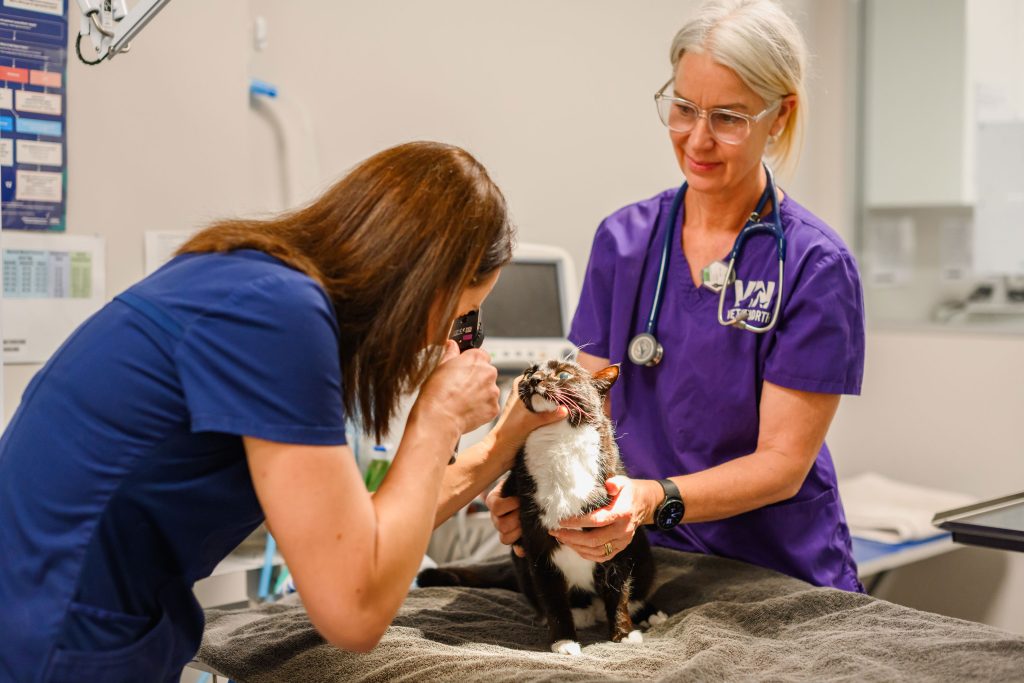
Your guide to recognising the signs that mean your pet needs urgent care, for dogs and cats. Most of the time, looking after a pet is pretty straightforward. They eat,