


Worm Resistance Starts with Worm Management: Find Out More
If you have stock in Auckland, you have likely dealt with the dilemma of when to drench. Parasite burdens are a significant issue in Auckland due to the region’s mild,
Keep up to date with the latest news at Vets North!
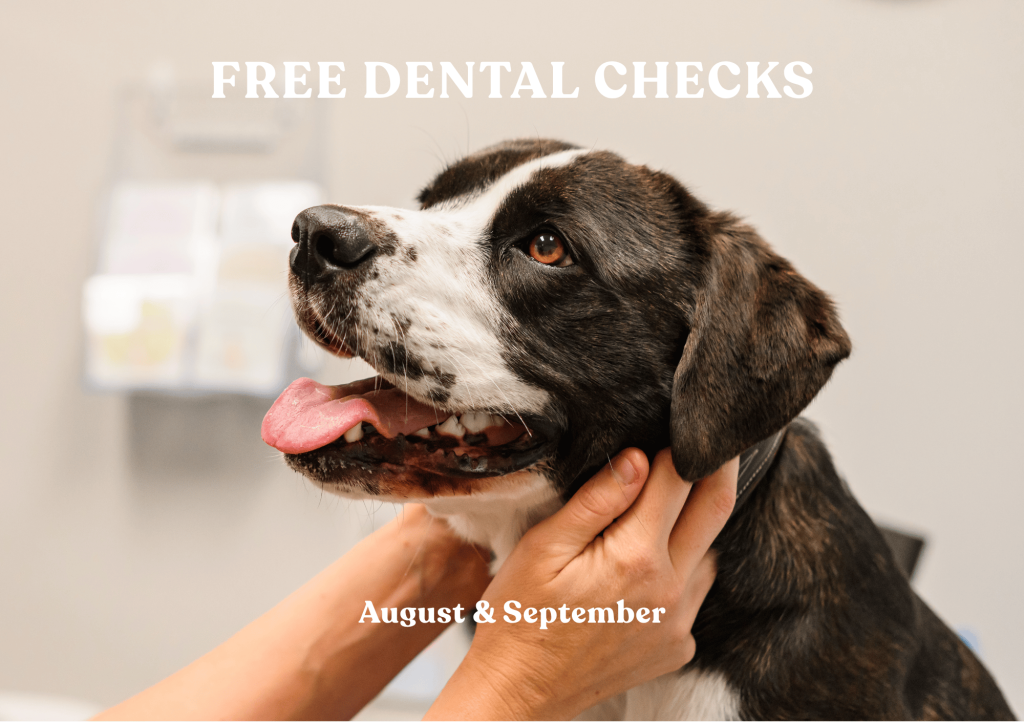
We all want our pets to live long, happy and comfortable lives — and good dental health is an important part of that. Unfortunately, dental disease is one of the most common health problems affecting dogs and cats, and it can develop quietly without obvious signs.
In fact, Vets North reports that around 80% of dogs and 70% of cats have some form of dental disease by the age of two. Many pets continue eating and behaving normally even when their mouths are uncomfortable, which means regular dental checks are an important part of preventative care.
Dental disease starts with plaque — a sticky layer of bacteria that forms on the teeth. If plaque isn’t removed, it can harden into tartar and contribute to inflammation and infection around the gums.
As dental disease progresses, it can lead to painful gums, loose or damaged teeth, difficulty eating and infection. By the time you notice obvious symptoms, significant disease may already be present beneath the gumline.
The good news is that there is plenty you can do to help protect your pet’s teeth and gums.
Daily tooth brushing is one of the most effective things you can do at home to help control plaque.
If your pet isn’t used to having their mouth handled, start slowly. Gently lift their lip, touch their teeth and gums with your finger, and reward them with praise or a small treat. Once they’re comfortable, introduce a pet toothbrush and toothpaste. Vets North are currently giving a free dental toothpaste sample to everyone who gets a Free Dental Check (while stocks last).
Don’t worry if you can’t manage a full brushing session straight away. A few seconds of positive, stress-free practice is better than forcing your pet and creating a negative association.
Always use toothpaste specifically formulated for pets — never use human toothpaste.
Puppies and kittens can be introduced to tooth brushing from a young age, helping them become comfortable with it as part of their normal routine.
However, it’s never too late to improve your pet’s dental care. Older dogs and cats can learn to accept brushing too; it may simply take a little more patience.
If your pet already has significant tartar, sore or bleeding gums, or obvious dental disease, speak with your veterinary team before beginning a brushing routine.
You don’t need to be a dental expert to spot changes. Every so often, gently lift your pet’s lips and take a look.
Keep an eye out for:
These can all be signs that your pet needs a veterinary dental assessment.
And remember: a lack of symptoms doesn’t necessarily mean a healthy mouth. Pets are very good at hiding pain, so dental disease can be present even when your dog or cat appears completely normal.
Dental diets, dental treats, wipes and other veterinary-approved products can be useful additions to your pet’s dental-care routine.
However, these should generally complement — rather than replace — brushing and professional veterinary care.
It’s also important to avoid extremely hard objects that can fracture teeth. If you’re unsure whether a particular chew, treat or dental product is appropriate for your pet, ask your veterinary team for advice.
Home care is important, but it can’t replace a professional examination.
Once tartar has hardened, brushing can’t simply remove it. A veterinary dental procedure may be recommended to properly clean and assess the teeth, including areas beneath the gumline that can’t be examined thoroughly while your pet is awake.
Regular dental checks allow problems to be identified earlier, when treatment may be simpler and more straightforward.
To help pet owners stay on top of their pets’ oral health, Vets North is offering free dental checks for dogs and cats throughout August and September at our Helensville, Kumeu, Waimauku and Silverdale clinics.
A free dental check gives our nursing team an opportunity to take a closer look at your pet’s teeth and gums, identify potential concerns and talk you through what to do next if further treatment is recommended.
Whether your pet has terrible breath, visible tartar, or you simply can’t remember the last time someone checked their teeth, this is a great opportunity to give their smile some attention.
Healthy teeth mean a happier, more comfortable pet — and prevention starts at home.
Book your pet’s free dental check with Vets North today.
Vets North — Helensville | Kumeu | Waimauku | Silverdale
0800 887 684
If you have stock in Auckland, you have likely dealt with the dilemma of when to drench. Parasite burdens are a significant issue in Auckland due to the region’s mild,
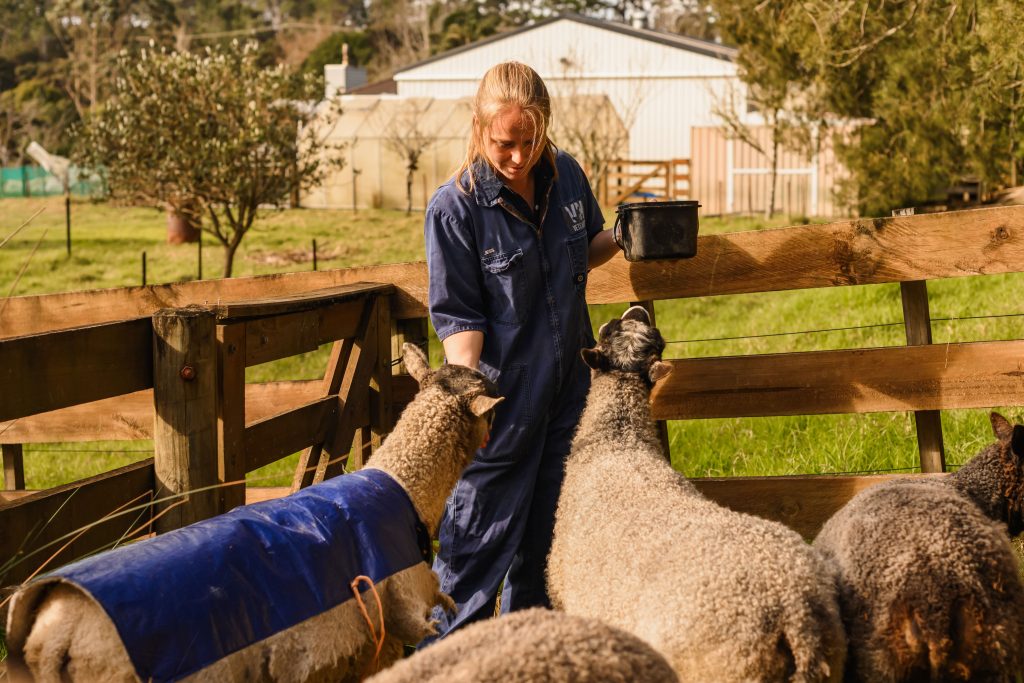
Understanding Abomasal Bloat The abomasum is the fourth stomach in ruminants like sheep. In young ruminants, milk is diverted directly to the abomasum rather than the rumen, where feed will