
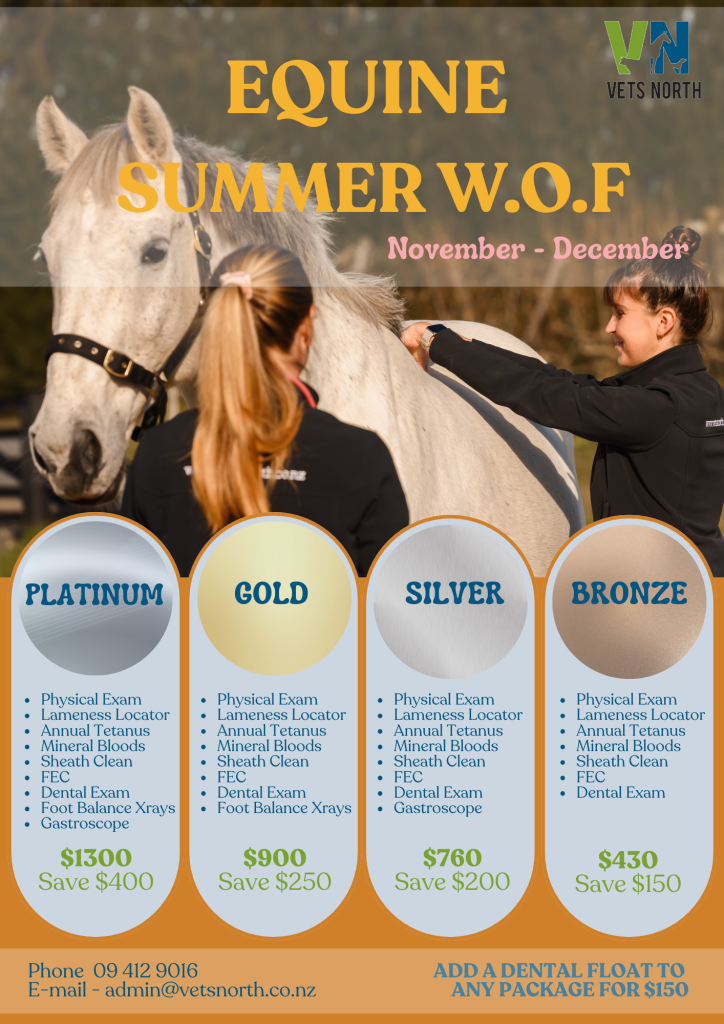
Why Summer is the Perfect Time for Your Horse’s W.O.F.
Just like your car needs a warrant of fitness, your horse does too — especially heading into the busy summer season! ☀️ Our Summer Equine W.O.F. checks are a full

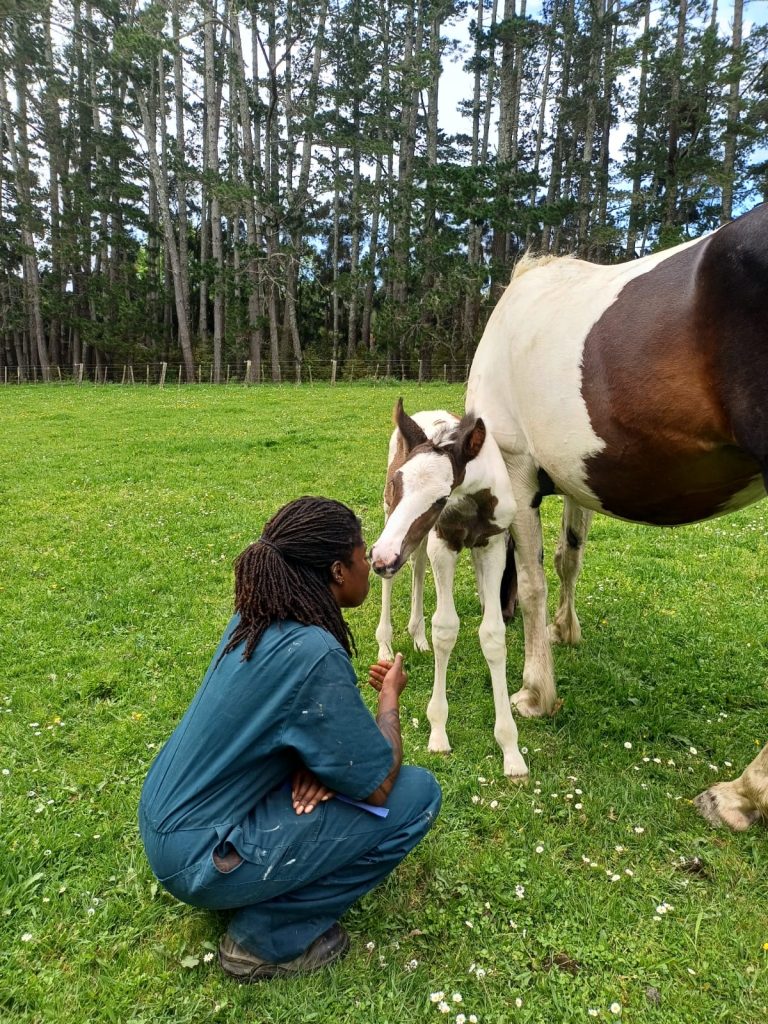
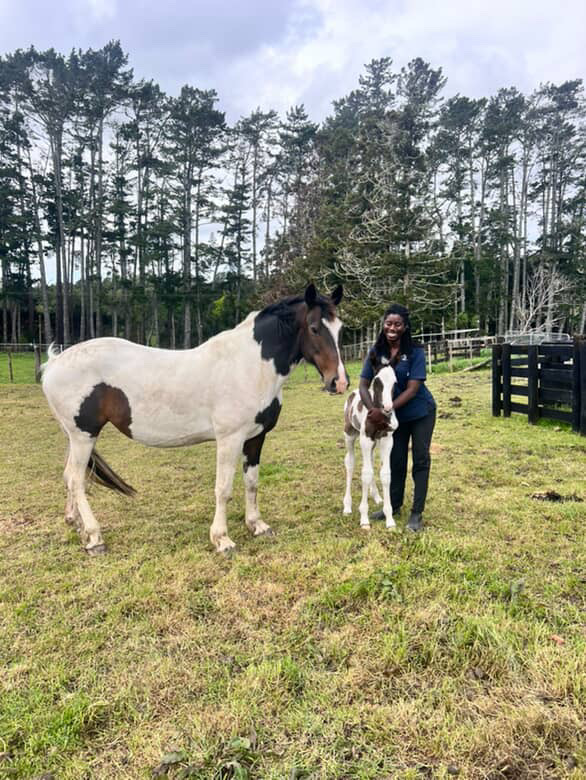
Last year, our equine vet Sophie bred her mare — a calm, good-natured horse she knew would make a wonderful mum. The early scans went smoothly…until a surprising moment 16 days in.
Two tiny flickers appeared on the ultrasound screen.
“It was clear straight away — she was carrying twins,” Sophie recalls.
To anyone who’s ever hoped for a foal, that might sound like double the joy. But in horses, twin pregnancies are actually very risky — both for the mare and her unborn foals.
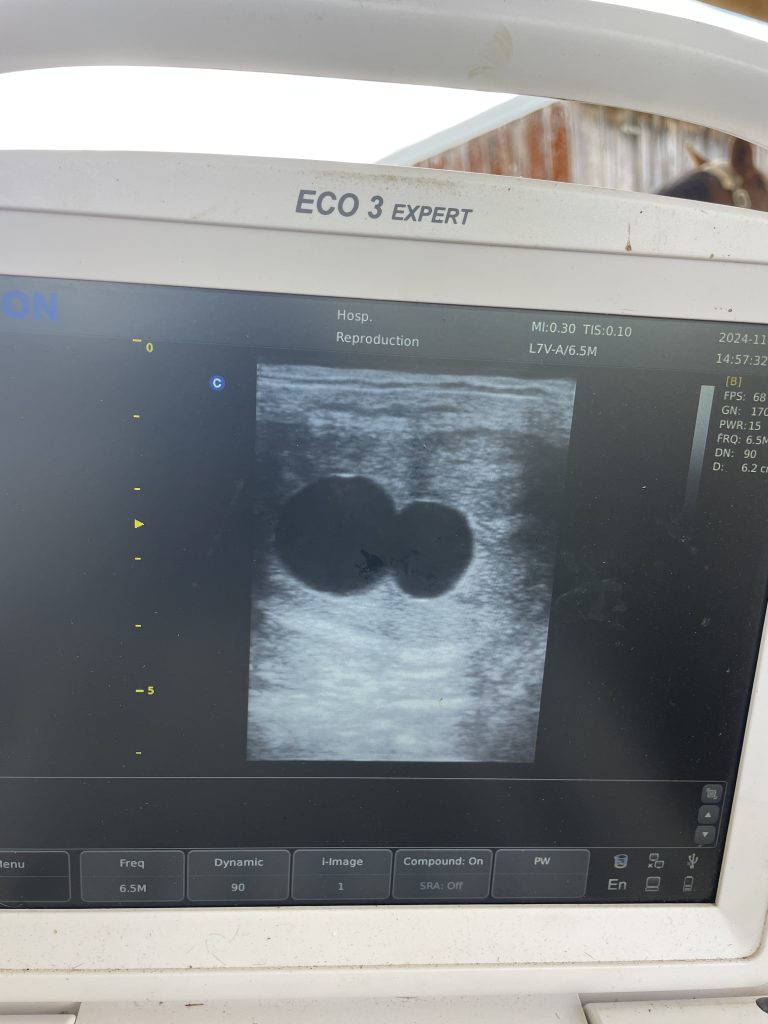
While mares can occasionally conceive twins, their bodies aren’t built to support two developing foals. Most twin pregnancies end naturally in early loss, and when they don’t, the outcome can be tragic.
Carrying twins often leads to miscarriage, premature delivery, or the loss of both foals. In some cases, it can even endanger the mare herself.
That’s why routine follow-up scans are so important — typically done around 16 days after insemination or natural service. At that point, both embryos are still small enough that intervention is possible.
With the help of senior vet Mark, Sophie made a careful but necessary decision: to perform a twin reduction — a delicate, ultrasound-guided procedure that removes one embryo early, giving the other the best possible chance to survive and thrive.
It’s a moment no breeder takes lightly.
“It’s always an emotional call,” says Sophie. “But it’s also a responsible one. You’re thinking about the mare’s safety — and giving at least one foal a real chance at life.”
The procedure went smoothly, and over the following weeks, the single remaining embryo continued to grow strong and healthy.
Nearly a year later, Sophie’s mare delivered a beautiful, bright-eyed filly — born healthy, standing quickly, and full of personality.
Her name? This Way Up, or Appa for short 🐴⬆️
The name came from a small arrow-shaped marking on her rump that points skyward — a playful nod to her journey and a reminder of how fragile beginnings can lead to strong, happy endings.
“When you see her now, it’s hard to imagine how different things could’ve been,” Sophie says. “She’s everything we hoped for — curious, confident, and full of life.”
Appa’s story isn’t just a happy ending — it’s an important reminder about the value of early pregnancy checks.
At Vets North, our equine team regularly sees mares come in for pregnancy confirmation scans around two weeks after conception. These visits are quick, safe, and incredibly valuable — allowing us to:
Early detection gives veterinarians and owners the best chance to act decisively and protect both mare and foal.
“It’s a small step that can make a huge difference,” Sophie says. “Without that 16-day scan, Appa’s story could’ve ended very differently.”
Our equine team loves seeing foals like Appa arrive safely into the world — especially when we’ve been part of their story from the very beginning.
Whether you’re a first-time breeder or an experienced horse owner, we can help guide you through every stage — from scanning and breeding advice, to nutrition, foaling preparation, and newborn care.
If you’d like to discuss a breeding plan or schedule your mare’s next scan, contact our Equine Team at Vets North today.
We’re always happy to help ensure the best outcomes for mares and foals — and to celebrate the special stories that remind us why we love what we do. 💛
📞 Call your nearest Vets North clinic or visit vetsnorth.co.nz/equine to learn more.
Just like your car needs a warrant of fitness, your horse does too — especially heading into the busy summer season! ☀️ Our Summer Equine W.O.F. checks are a full
Your guide to recognising the signs that mean your pet needs urgent care, for dogs and cats. Most of the time, looking after a pet is pretty straightforward. They eat,