Get in touch today to book an appointment.
Brachycephalic Obstructive Airway Syndrome
What is BOAS?
BOAS is short for Brachycephalic Obstructive Airway Syndrome and is common in breeds like Bulldogs, French Bulldogs, and Pugs. Symptoms like noisy breathing, snoring, and exercise intolerance are key indicators. This is due to the dogs having short flat faces which obstructs their breathing.
Assessing BOAS severity
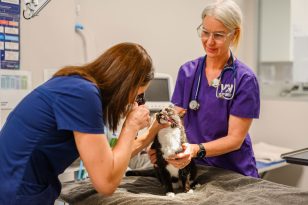
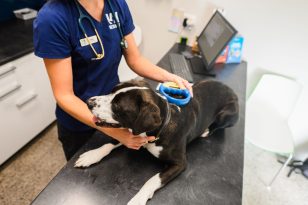
At Vets North, we are highly qualified to assess your brachycephalic dog for breathing and airway obstruction. Brachycephalic dogs have particular challenges because of selectively breeding them for shortened noses. Surgery may include widening the nostrils, shortening the soft palate, and assessing other related concerns!
One of our experienced vets, Angela Stringer, who works mainly in our Silverdale branch, is one of only 4 vets in the greater Auckland region who has undergone further training to perform Respiratory Functional Grading examinations. The RFG scheme was developed by Cambridge University in England to help identify dogs at risk of severe impairment from BOAS. This test can be performed prior to overseas travel to identify if your dog would likely be accepted by a carrier company as ‘fit to fly’. It is also useful as a tool to help determine which dogs would benefit from airway surgery or whether your dog would be a good choice to breed from, if you are considering this. The RFG test comprises a targeted physical examination, focusing on your dog’s airway, combined with a short exercise test then reassessment after exercise. Your dog will be provided with an overall score, which can help us to make informed decisions around travel safety, surgical intervention and breeding recommendations.
Early intervention
It is important to diagnose any issues early and correct with surgical intervention as soon as possible as this can have a significant impact on the long-term outcome for your dog. BOAS encompasses both primary and secondary changes in your dog’s airway, which cause restriction of air flow. Some secondary changes are irreversible and develop over time. If we correct the primary issues early, these secondary problems are much less likely to develop. If your dog is showing signs of BOAS in their first year of life, we will usually recommend corrective surgery at the time of desexing to give them the best chance at a long, quality life with less restrictions. We provide BOAS airway surgery in our Silverdale and Kumeu clinics. We have specialised equipment and protocols in place to support your dog before, during and after their operation to keep them safe and comfortable.
Anaesthesia
Due to their compromised airways, dogs with BOAS are at higher risk under anaesthetic so it is important to work with a team who understand this and take a team-based approach to have the best outcome possible. At Vets North we have a special medication protocol for BOAS patients to reduce the risk of anaesthetics and we treat them likely royalty for their entire stay with us to minimise the chance of complications.
Post-operative care
Close monitoring after surgery is critical to manage inflammation, swelling and other potential complications. We monitor BOAS patients very closely after any anaesthetic and provide supplemental oxygen in the recovery period. Our BOAS patients really are VIPs in each of our hospitals.
5 STAR GOOGLE RATING
We’re proud to share some of the glowing feedback from our delighted clients.
GOODTrustindex verifies that the original source of the review is Google. Thank you, Gemma and all for quickly caring to my cat, Possum with a last minute urgent appointment. Can tell these people are passionate about animals! So glad my boy is home & comfortablePosted onTrustindex verifies that the original source of the review is Google. I've been using Vets North Helensville for more than 15years now, I have never received service that was less than excellent. The premise is clean, the products and services are modern, but more than anything else, the staff are incredible. The vets and support staff are knowledgeable, compassionate, helpful, and clearly very skilled. I can't count the number of times Vets North Helensville has hugely improved the standard of my pets(and livestock!) lives.Posted onTrustindex verifies that the original source of the review is Google. Friendly people, efficient service and good advisor's...Posted onTrustindex verifies that the original source of the review is Google. Very professionalPosted onTrustindex verifies that the original source of the review is Google. I love Vets North Helensville. Incredible, caring, kind, knowledgeable!Posted onTrustindex verifies that the original source of the review is Google. Ery helpful and FriendlyPosted onTrustindex verifies that the original source of the review is Google. I took my cat in she was in a bad way ,they let me know my opinion ,but end best thing to do was to put her down thanks youPosted onTrustindex verifies that the original source of the review is Google. Paula especially, Nadia and the whole team are absolutely fantastic. We have 7 dogs and foster for Saving Hope. They are informative, understanding and compassionate. We have had fab experience with all of the branches of Vets North.