🐾 WIN A $10,000 STAYCATION WITH NEXGARD SPECTRA

Protect your pet. Enter to win big.

Buy NexGard Spectra Spot-On for Cats or NexGard Spectra Chewables for Dogs between 1 March – 30 April 2026 and you could win:

✨ Colin’s Next Level $10,000 Staycation Bundle

PLUS 1 of 100 bonus prizes!


How to enter:

  1. Purchase NexGard Spectra for your cat or dog during the promotional period.

  2. Single pack = 1 entry
    Triple pack = 3 entries

  3. Enter online at: www.winwithnexgard.co.nz

(Winners drawn 5 May 2026)


Why NexGard Spectra?

  • Convenient monthly protection

  • Trusted parasite coverage

  • Recommended by your vet

Protecting your pet has never been more rewarding.


T&Cs apply. Promotion runs 1 March – 30 April 2026. Entries must be submitted online. See product label for full claim details and directions for use. ACVM Registration Nos. A011184 & A011852.

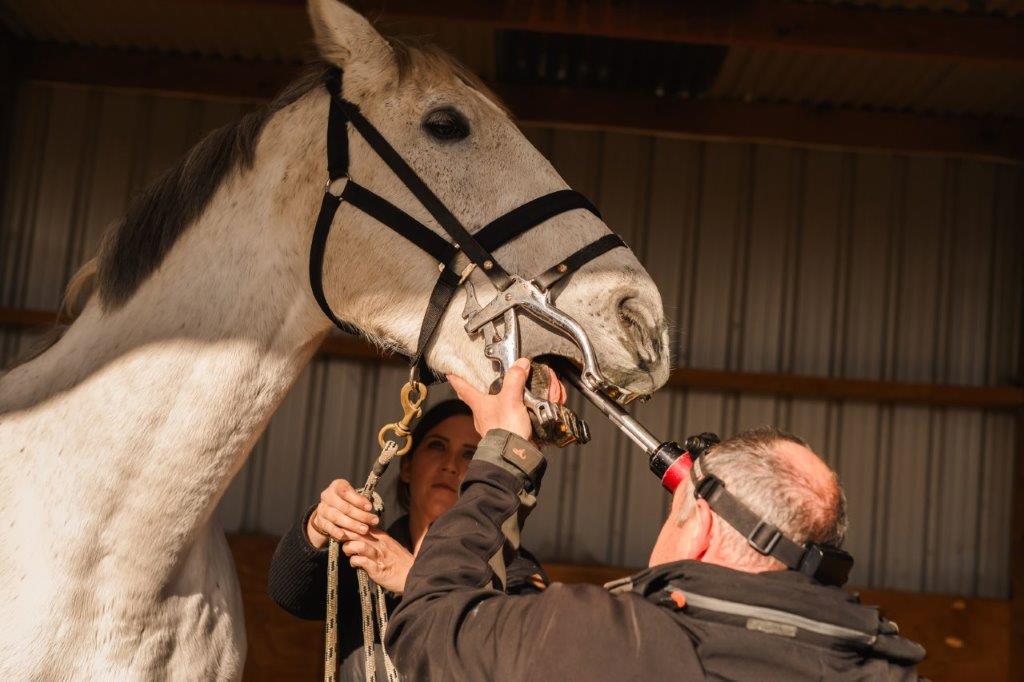
Equine Dentals at Vets North: Complete Horse Dental Care

Vets North Equine Dental Procedure

Regular equine dental care is essential for keeping your horse comfortable, healthy, and performing at their best.

Because horses’ teeth continually erupt throughout their lives, uneven wear can quickly create sharp enamel points, mouth ulcers, difficulty chewing, weight loss, and behavioural resistance under saddle. Routine horse dental examinations allow us to identify and correct problems early — before they impact your horse’s wellbeing.

At Vets North, our experienced equine team provides comprehensive equine dentals, tailored to each individual horse.


Who Performs Equine Dentals at Vets North?

We’ve recently had enquiries asking whether only one veterinarian performs non-sedated equine dentals.

All of our equine veterinarians are trained and experienced in providing equine dental services. Every member of our equine team can perform:

  • Routine equine dental examinations
  • Horse teeth floating (filing sharp enamel points)
  • Sedated equine dentals
  • Non-sedated equine dentals (where appropriate)
  • Dental x-rays
  • Extractions
  • Management of complex equine dental disease

Your horse’s safety, comfort, and long-term dental health are always our priority.


Sedated or Non-Sedated Equine Dentals?

One of the most common questions we receive is whether equine dentals should be performed with sedation.

The answer depends on the individual horse and the procedure required.

Sedation may be recommended because it:

  • Improves safety for both horse and veterinarian
  • Allows a more thorough and accurate oral examination
  • Reduces stress for the horse
  • Enables treatment of more complex dental issues

However, some routine horse teeth floating procedures can be safely completed without sedation.

We assess each horse individually and will discuss the most appropriate approach with you before proceeding.


What Happens During a Horse Dental Examination?

A routine equine dental check typically includes:

  • A full oral examination using appropriate equipment
  • Assessment of bite alignment and wear patterns
  • Identification of sharp enamel points
  • Checking for ulcers, gum disease, loose or fractured teeth
  • Correction of abnormalities through floating

In some cases, further diagnostics such as equine dental x-rays may be recommended to investigate underlying issues.

Dental discomfort is not always obvious. Signs that your horse may need a dental check include:

  • Dropping feed
  • Slow eating
  • Head tossing
  • Resistance under saddle
  • Unexplained weight loss
  • Changes in behaviour

If you notice any of these signs, it may be time to book an examination.


Supporting the Equine Community

With the recent retirement of equine dentist Amanda Winstanley, we understand that some horse owners may be looking for ongoing equine dental care.

Our equine veterinary team is here to provide continuity of care and professional support for your horse’s dental health.


How Often Should Horses Have Equine Dentals?

Most horses benefit from a dental examination at least once every 12 months.

Young horses, senior horses, and those with known dental abnormalities may require more frequent checks.

If you are unsure when your horse last had a dental examination, our team is happy to advise.


Book an Equine Dental Appointment

Good dental health plays a significant role in your horse’s comfort, performance, and overall wellbeing.

To book an equine dental appointment, contact Vets North today. Our team can discuss sedation options, answer your questions, and schedule a suitable time for your horse’s dental examination.


Senior Pet Health Checks: Why Blood Tests Matter From Age 7+

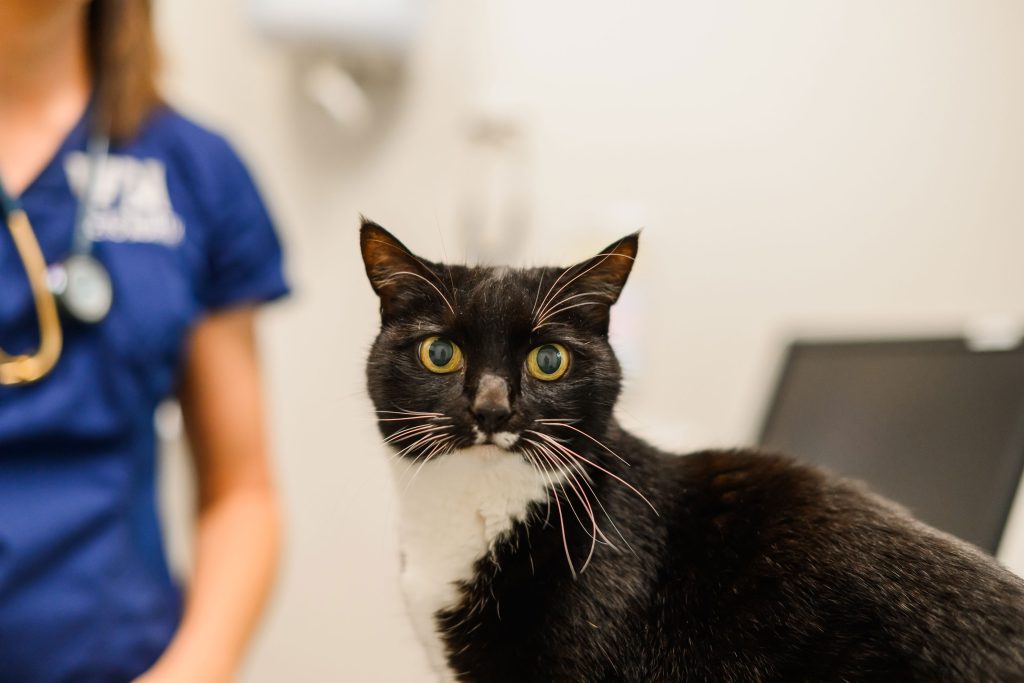
As our pets get older, their health needs change — often quietly and gradually.

While many dogs and cats over the age of seven may appear completely well, internal changes can begin long before visible symptoms develop.

That’s why we recommend considering routine blood testing as part of your pet’s ongoing preventative healthcare.


Why Age 7 Matters

For most dogs and cats, seven years of age is considered the beginning of their senior life stage (earlier for larger breed dogs).

During this stage, the risk of developing age-related conditions increases, including:

  • Kidney disease
  • Liver disease
  • Diabetes
  • Thyroid disorders
  • Early heart changes
  • Chronic inflammation

Many of these conditions develop slowly and may not show obvious signs in the early stages.


What a Wellness Blood Test Can Detect

A routine senior blood screen can provide valuable information about your pet’s:

  • Kidney function
  • Liver function
  • Blood sugar levels
  • Thyroid function
  • Protein levels
  • Red and white blood cell counts

These results help us establish a baseline and identify early changes before your pet becomes unwell.

Early detection often allows for earlier intervention — which can significantly improve long-term outcomes and quality of life.


“But My Pet Seems Fine…”

One of the most common things we hear is:

“They seem completely normal.”

That’s exactly why screening can be helpful.

Pets are very good at compensating for internal disease. By the time obvious symptoms appear, conditions such as kidney disease may already be advanced.

Routine wellness testing helps us identify issues before they reach that stage.


When Should Blood Testing Be Done?

We generally recommend considering a wellness blood test:

  • Annually from age 7+
  • Every 6–12 months for pets with known conditions
  • If subtle changes in behaviour, appetite, or energy are noticed

Blood testing does not necessarily need to happen on the same day as vaccination, but many owners choose to coordinate it for convenience.

If your pet is booked for their annual vaccination, it may be worth discussing whether a senior health screen is appropriate in the coming months.


What Happens Next?

If blood test results are normal, we establish a healthy baseline for future comparison.

If early changes are detected, we can:

  • Monitor more closely
  • Adjust diet
  • Start supportive treatment
  • Plan further diagnostics

The goal is not to look for problems — it’s to support healthy ageing.


Supporting Healthy Senior Years

With appropriate monitoring and preventative care, many dogs and cats enjoy active, happy senior years.

If your pet is seven years or older and due for vaccination, speak with our team about whether a senior wellness blood test would be beneficial.

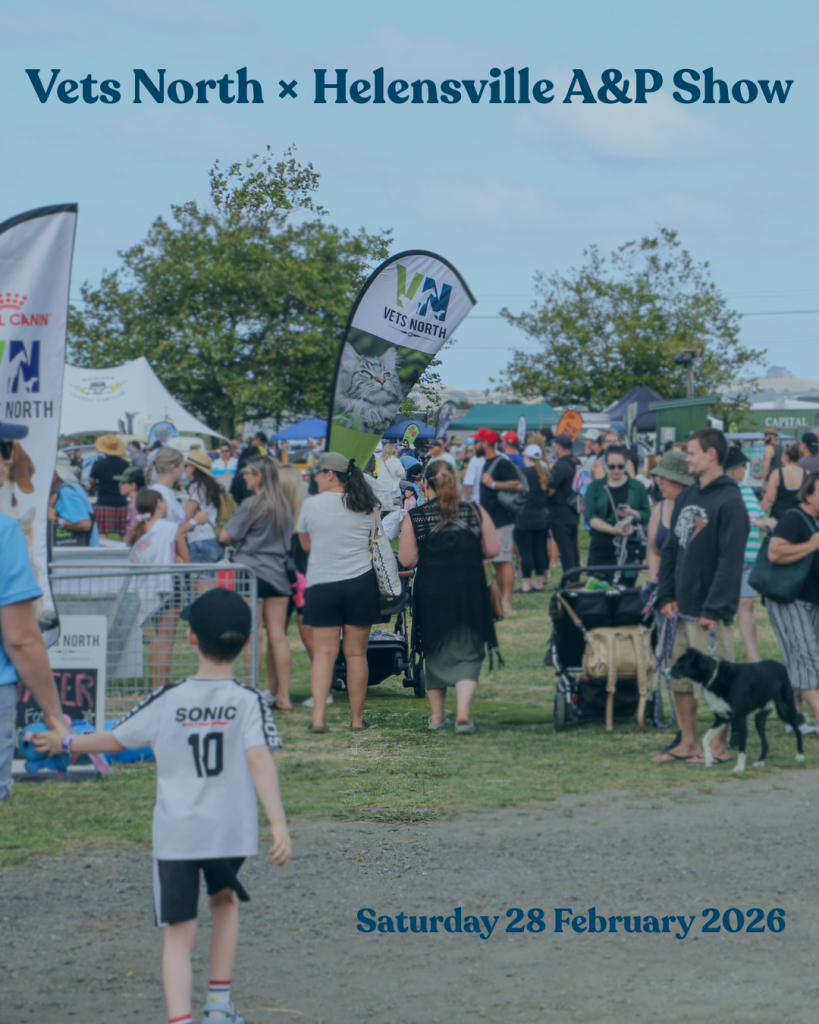
🐎 Join us at the 2026 Helensville A&P Show

We’re proudly sponsoring this year’s Helensville A&P Show — a cherished celebration of rural life, farming, animals and community spirit in West Auckland. This years A&P theme is the Year of the Horse and we are excited to announce for the first time we will run a speaker series during the event with an equine focus.

The A&P Show is a highlight of the local calendar, featuring livestock competitions, equestrian events, agricultural displays, home crafts and activities for the whole whānau. It’s a day where friends, neighbours and visitors come together to celebrate everything rural and connected to animal care — and we’re thrilled to be part of it.


🎤 Vets North Speaker Series

As part of our involvement, we’re hosting an informative Speaker Series throughout the event. Each talk is around 30 minutes and will cover practical and interesting topics ranging from equine first aid and equine health to lifestyle block management. Come along to our site, learn something new and chat with our team about your animal care questions.

Here’s the schedule (each talk is 30 minutes):

Time Speaker Topic
10.00 am Rivers Cook Equine First Aid
11.00 am Jess Slattery Cushing’s and Laminitis
12.00 pm James L’Amie Lifestyle Block 101
2.30 pm Mark Young Equine Lameness

If you have horses our equine talks should not be missed, with vet care always evolving you are bound to learn something new.
Do you have a lifestyle block or are you simply curious, James is our lifestyle guru and will be able to cover all your questions.


Colouring-in Competition

We’re also running a colouring-in competition for kids, with entries to be completed and dropped into any Vets North clinic ahead of show day. Simply download, print and colour in.


🐾 What to Expect on the Day

The Helensville A&P Show is much more than a display of animals — it’s a true community day out. Expect:

  • 🐴 Equestrian competitions & displays – bigger then ever with this year horse theme

  • 🐑 Livestock classes and judging – come and see sheep, goats, pigs, cows, alpacas and more!

  • 🐕 Pet dog competitions & the highly anticipated Terrier Race

  • 🎨 Exhibitions of crafts, baking and horticulture

  • 🍔 Local food stalls, entertainment and activities for kids

Our team will be on hand throughout the day to meet you, answer questions and share insights on caring for your animals and managing your lifestyle block.


📍 Join Us!

Bring your family, bring your questions, and don’t miss the Speaker Series in our site.

We will also have fun things to do and prizes to be won with games like Guess the Poo!

We’re looking forward to seeing you at the Helensville Showgrounds on Saturday 28th February for a fun, educational and community-filled day.

See you there!

2026 Colouring in competition — download and print now

Vets North Christmas & New Year Hours 🎄🐾 (2025)

As we head into the festive season, the Vets North team is looking forward to a well-deserved break — and a chance to celebrate a big year together. Below you’ll find all the details you need about our December and January hours, plus who to contact if you need urgent care outside these times.

Saturday 13 December – Early Closing for Our Team Christmas Celebration

To allow our entire team (and their families!) to come together for our end-of-year celebration, a few of our clinics will be closing slightly earlier than usual:

  • Waimauku & Kumeu: Closing at 2:00pm (normally 3.00pm)

  • Silverdale & Helensville: Closing at 12:30pm (no change)

Thank you for your understanding as we give our hardworking crew a moment to relax, connect, and celebrate another year of caring for your animals.


Christmas & New Year Public Holiday Hours

All Vets North clinics will be closed on the following statutory holidays:

  • Thursday 25 December – Christmas Day

  • Friday 26 December – Boxing Day

  • Thursday 1 January – New Year’s Day

  • Friday 2 January – Day after New Year’s Day

We’ll be back to normal hours outside of these dates.


After-Hours & Emergency Support

If your animals need help when our clinics are closed, here’s who to contact:

Large Animals

📞 0800 VTS NTH (0800 887 684) – Our on-call vets are available.

Small Animals

For urgent care, please contact:

  • Animal Referral Centre (Albany): 09 281 5815

  • VSA Animal Emergency (Henderson): 09 849 2121

These trusted emergency partners provide excellent care when we’re unavailable.


Wishing You a Safe & Happy Holiday Season

From all of us at Vets North, thank you for trusting us with your furry, fleecy, and feathered family members throughout the year. We hope you all enjoy a relaxing and joy-filled festive season — and we look forward to seeing you (and your animals) in 2026.

Warmly,
The Vets North Team

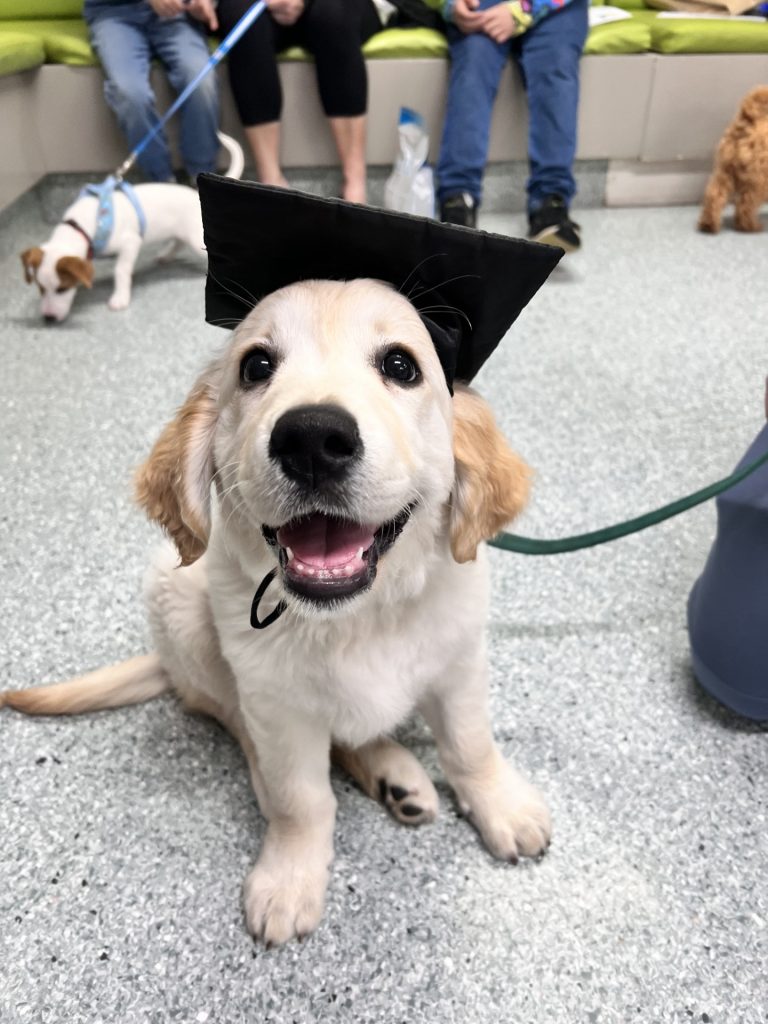
More Than Just Training: Why Puppy School is the Best Start You Can Give Your Furry Family Member

Welcome to all our new puppy parents!

Bringing a new puppy home is one of life’s true joys—and, let’s be honest, sometimes a wee bit of a whirlwind! We know how much your new family member means to you, and we understand that every puppy parent wants to give their little one the very best start in life.

It’s completely natural to have questions, and even a few worries, about getting things “right.” That’s where we, your local Vets North team, step in. Our Puppy Pre-School is about so much more than just sitting and staying; it’s about building a positive, confident foundation for life.

💖 The Vets North Difference: Compassion and Confidence
Our classes are specially designed for those early, crucial weeks (8 to 16 weeks, after their first vaccination), which is when your puppy’s world view is forming. Think of it as social and emotional learning, with a heavy dose of fun!

  • Positive Experiences at the Clinic: We want your puppy to love coming to see us. By visiting the clinic in a social, relaxed way, they learn that the vet is a safe and exciting place, not a scary one. This helps create a positive experience for your puppy so they enjoy coming to the clinic.

  • Safety and Trust First: Our kind, knowledgeable nurses lead all classes. They are all certified educators who prioritise your puppy’s safety and use only gentle, force-free training methods. We are absolutely on your side [cite: 2025-11-11], guiding you with professional expertise and genuine care [cite: 2025-11-11].

  • Building a Super-Star Citizen: Socialisation isn’t just about meeting other dogs—it’s about learning the rules of our human world. Your puppy will gain invaluable confidence interacting with different puppies and people, helping them grow into a calm, well-adjusted adult.


What We Cover (The Practical Bits Made Easy)

While the focus is on fun and confidence, we also cover all the essential life skills that will make your life easier and your puppy’s life healthier:

Topic The Goal
Healthy Habits Essential dietary advice and general health care tips from our nurses, giving you the knowledge you need to keep your pup thriving.
Manners at Home Effective toilet training techniques and basic commands like sit and stay—great building blocks for a well-mannered pup who loves to please you.
Travel and Routine Safe and stress-reducing car travel tips, helping your pup adjust to routine and new environments.


Ready to Start on the Right Paw?

Choosing Puppy Pre-School is choosing to invest in your puppy’s long-term happiness and wellbeing. It’s the ultimate act of care and reassurance, and we genuinely love being a part of that journey.

We’re here to help make those first few months fun and stress-free. If you’re interested in giving your new furry family member this wonderful start, click through to our services page below.

Find Out More & Enrol Today


A Foal Called “This Way Up”

Last year, our equine vet Sophie bred her mare — a calm, good-natured horse she knew would make a wonderful mum. The early scans went smoothly…until a surprising moment 16 days in.

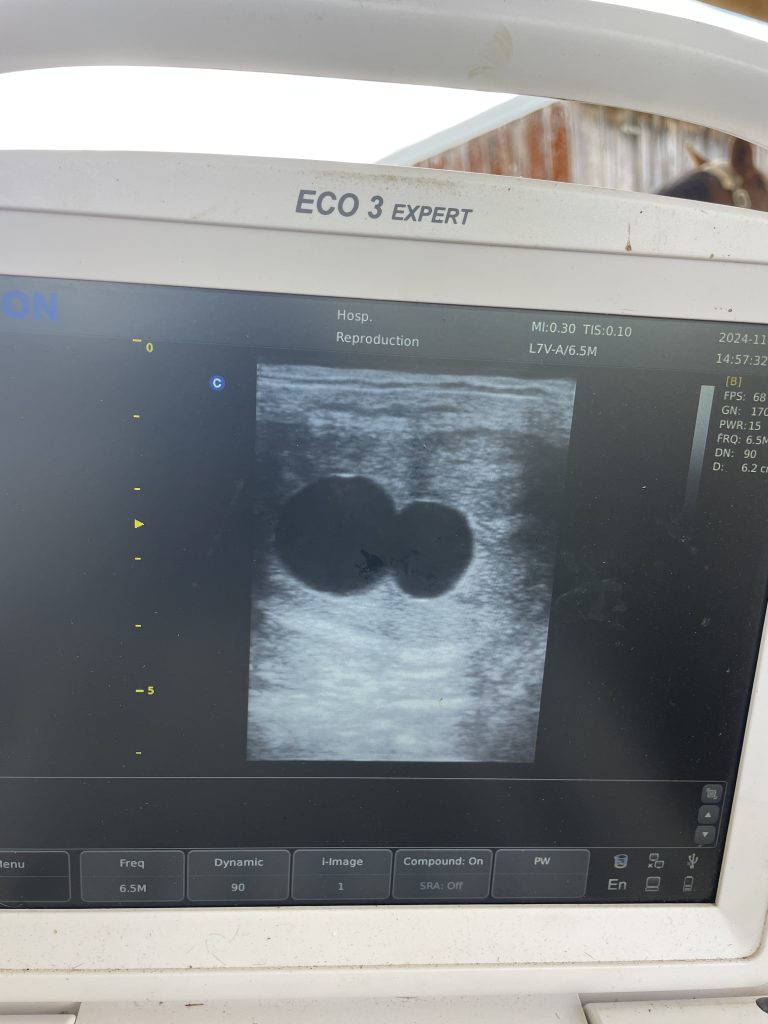
Two tiny flickers appeared on the ultrasound screen.

“It was clear straight away — she was carrying twins,” Sophie recalls.

To anyone who’s ever hoped for a foal, that might sound like double the joy. But in horses, twin pregnancies are actually very risky — both for the mare and her unborn foals.

Why twins are dangerous in horses

While mares can occasionally conceive twins, their bodies aren’t built to support two developing foals. Most twin pregnancies end naturally in early loss, and when they don’t, the outcome can be tragic.

Carrying twins often leads to miscarriage, premature delivery, or the loss of both foals. In some cases, it can even endanger the mare herself.

That’s why routine follow-up scans are so important — typically done around 16 days after insemination or natural service. At that point, both embryos are still small enough that intervention is possible.

The decision: give one the best chance

With the help of senior vet Mark, Sophie made a careful but necessary decision: to perform a twin reduction — a delicate, ultrasound-guided procedure that removes one embryo early, giving the other the best possible chance to survive and thrive.

It’s a moment no breeder takes lightly.

“It’s always an emotional call,” says Sophie. “But it’s also a responsible one. You’re thinking about the mare’s safety — and giving at least one foal a real chance at life.”

The procedure went smoothly, and over the following weeks, the single remaining embryo continued to grow strong and healthy.

Eleven months later…

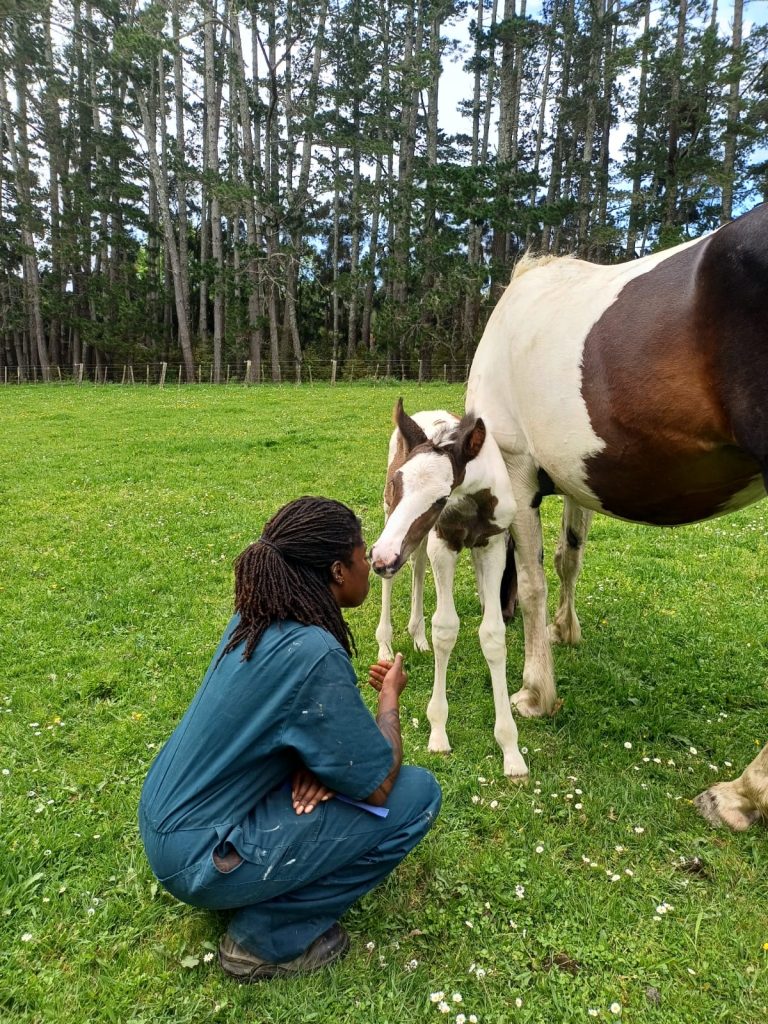
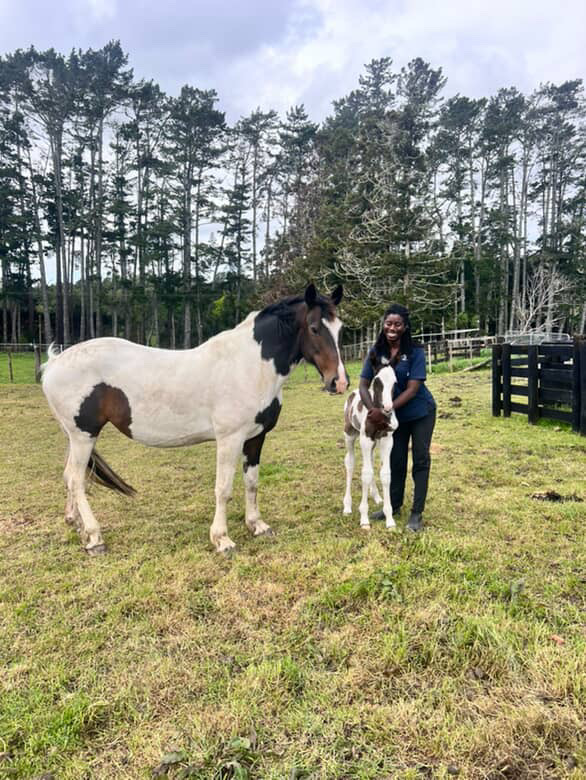
Nearly a year later, Sophie’s mare delivered a beautiful, bright-eyed filly — born healthy, standing quickly, and full of personality.

Her name? This Way Up, or Appa for short 🐴⬆️

The name came from a small arrow-shaped marking on her rump that points skyward — a playful nod to her journey and a reminder of how fragile beginnings can lead to strong, happy endings.

“When you see her now, it’s hard to imagine how different things could’ve been,” Sophie says. “She’s everything we hoped for — curious, confident, and full of life.”


What Appa’s story teaches us

Appa’s story isn’t just a happy ending — it’s an important reminder about the value of early pregnancy checks.

At Vets North, our equine team regularly sees mares come in for pregnancy confirmation scans around two weeks after conception. These visits are quick, safe, and incredibly valuable — allowing us to:

  • Confirm pregnancy early
  • Identify twins before it’s too late to intervene
  • Assess the mare’s reproductive health
  • Provide tailored care to support a smooth pregnancy

Early detection gives veterinarians and owners the best chance to act decisively and protect both mare and foal.

“It’s a small step that can make a huge difference,” Sophie says. “Without that 16-day scan, Appa’s story could’ve ended very differently.”

Supporting healthy pregnancies and foals

Our equine team loves seeing foals like Appa arrive safely into the world — especially when we’ve been part of their story from the very beginning.

Whether you’re a first-time breeder or an experienced horse owner, we can help guide you through every stage — from scanning and breeding advice, to nutrition, foaling preparation, and newborn care.

If you’d like to discuss a breeding plan or schedule your mare’s next scan, contact our Equine Team at Vets North today.
We’re always happy to help ensure the best outcomes for mares and foals — and to celebrate the special stories that remind us why we love what we do. 💛

📞 Call your nearest Vets North clinic or visit vetsnorth.co.nz/equine to learn more.


Why Summer is the Perfect Time for Your Horse’s W.O.F.

Just like your car needs a warrant of fitness, your horse does too — especially heading into the busy summer season! ☀️

Our Summer Equine W.O.F. checks are a full head-to-hoof health assessment designed to catch little problems before they turn into big ones.

Summer can be tough on horses — long days, hard work, heat, and travel all take their toll. These comprehensive check-ups are the best way to make sure your horse is fit, comfortable, and performing at their best for the months ahead.

Why Summer?
Because this is when most horses are at their busiest — training, competing, trekking, and travelling. The warmer weather also brings extra challenges like heat stress, parasites, and changing pasture quality. A pre-season check helps you stay ahead of these issues and keep your horse feeling their best all summer long. 🌞

We often find small issues — from subtle lameness or dental wear to mineral imbalances — that can quietly affect comfort and condition. Catching them early means easier fixes, faster recovery, and a happier horse overall 🐎💛

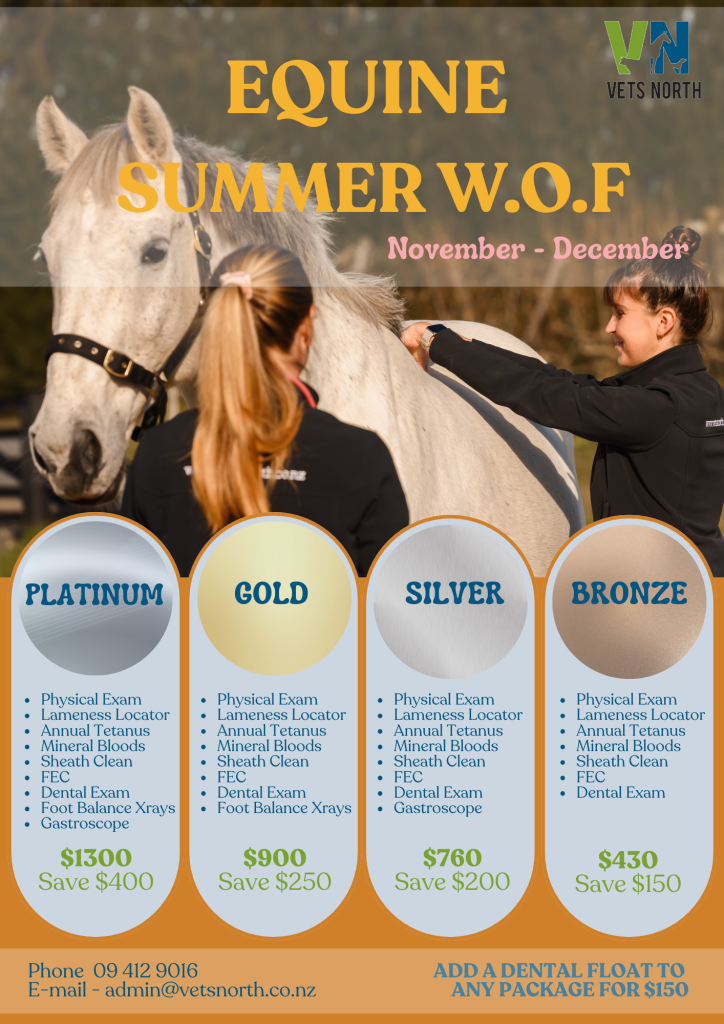
Our W.O.F. packages are a great way to give your horse that full “once-over” at a discounted rate, with options to suit every horse — from top performers to treasured paddock mates.
Choose from our comprehensive Platinum package (including gastroscope and balance X-rays) right through to the streamlined Bronze.

✅ Health check and annual treatments
✅ Lameness locator and dental exam
✅ Parasite, mineral and weight assessments
✅ Optional dental float add-on for $150

Because good maintenance isn’t just about performance — it’s about giving your horse the best chance at a long, healthy, and happy life.

📞 Book your Summer W.O.F. today — available November and December only.

Fireworks and Anxiety

It’s that time of the year again when the fizz pop bang of fireworks can be a source of joy for many humans, but a source of fear and anxiety for our furry friends.

Helping Your Pet Stay Calm During Scary Seasons

Halloween, Guy Fawkes, and holiday time are full of fun for us — but for many pets the fizz, pop and bang of fireworks, and strange costumes, new smells and decorations, or being away at a kennel or cattery can all make our furry friends feel anxious.

The good news is there’s a lot you can do to help them feel safe and calm.

 How to Tell if Your Pet’s Feeling Anxious

Anxiety doesn’t always look the same — some pets get jumpy, while others shut down.
Here are a few things to watch for:

Dogs might:
Tremble, pant, or pace
Bark or whine more than usual
Hide or try to escape
Lose interest in food
Have wee or poo accidents inside

Cats might:
Hide under the bed or in cupboards
Meow more, or go unusually quiet
Lick themselves too much (overgrooming)
Stop eating or using the litter box, or wee or poo outside the litter box
Act grumpy or lash out

If you notice any of these, it’s your pet’s way of saying, “I’m not okay right now.”

Simple Things You Can Do at Home

A few small changes can make a big difference:

Set up a safe zone:
Pick a quiet room with their favourite blanket, toys, and water. Close the curtains and pop some soft music or white noise on to help cover the bangs and crackles.

Stay calm yourself:
Your pet looks to you for reassurance. Speak gently, move slowly, and keep things as normal as possible.

Stick to routine:
Regular mealtimes and walks help pets feel secure, even when things outside get noisy or busy. However on evenings like Guy Fawkes night or New Year’s Eve when you know fireworks are likely, it may be a good idea to take your pet for a walk before it gets dark so they are less likely to get spooked by sudden bangs when out and about.

Get them used to noises:
In the weeks before fireworks season, you can play quiet recordings of fireworks or thunder and reward calm behaviour. It helps them learn those sounds aren’t scary. Check out the Sounds Scary desensitisation guide here https://www.dogstrust.org.uk/dog-advice/understanding-your-dog/sound-therapy-for-pets Please be sure to read the guidance before playing the sound tracks as they contain loud noises and you need to follow the step by step plan to help your pet get acclimatised.

Keep them secure:                                                                                                            Ensure cat flaps are closed and dogs are secure in your home as sometimes pets can bolt if very frightened and would be at risk of getting lost or injured by traffic.

If they’re boarding:
Bring along their own blanket or toy so they’ve got a comforting familiar smell. Try a short “practice stay” if it’s their first time at the kennel or cattery.

Gentle Calming Aids You Can Try

Some over-the-counter options can help take the edge off mild anxiety:

Pheromone products like Adaptil (for dogs) and Feliway (for cats) release natural calming scents.
Anxiety wraps or ThunderShirts give comforting, gentle pressure.
Calming supplements with ingredients like L-tryptophan, L-theanine, or casein can help some pets relax such as Calmex or Pro Plan Calming Care and Calm & Relax Chews.

It’s best to start these a few days before things get loud — not on the night itself.

When to Chat with The Vet

If your pet really struggles — or you’re not sure what’s best — your vet can help.

We can:

  • Rule out any health problems that might make things worse.
  • Recommend short-term calming medications or mild sedatives for firework nights or travel.
  • Create a longer-term plan for pets with ongoing anxiety.

Every pet is different, and there’s no one-size-fits-all fix. We’ll work with you to find the right approach.

A Little Planning Goes a Long Way

These celebrations come around every year, so planning ahead makes all the difference.
With a safe space, calm routine, and the right support, your pet can get through the spooky season — and you’ll both enjoy a more peaceful time together.

If your furry friend gets anxious during fireworks or boarding, book a chat with our team before things get noisy — we’re here to help keep tails wagging and whiskers relaxed.